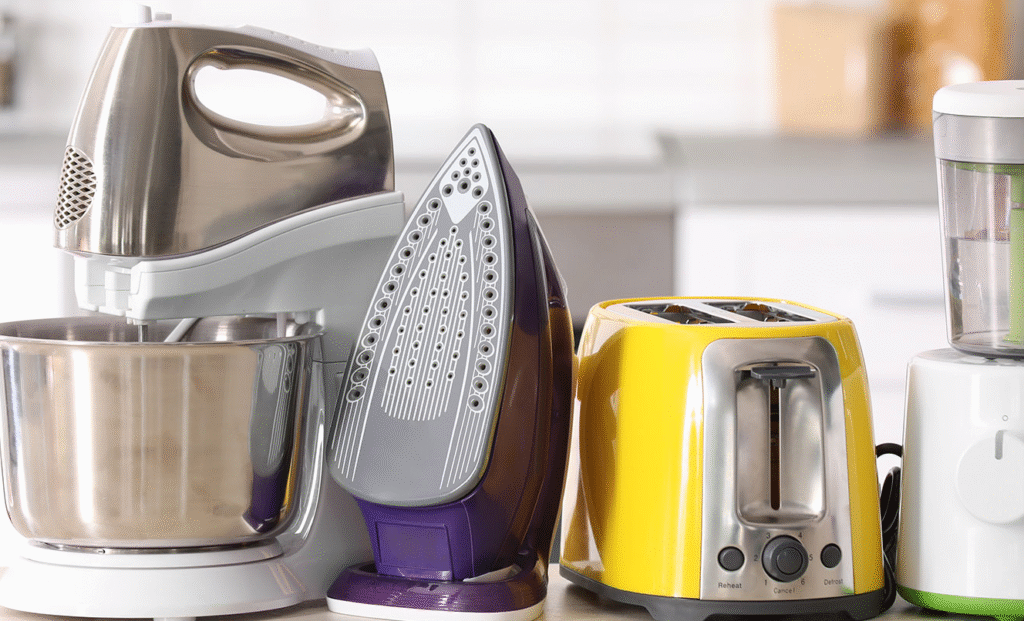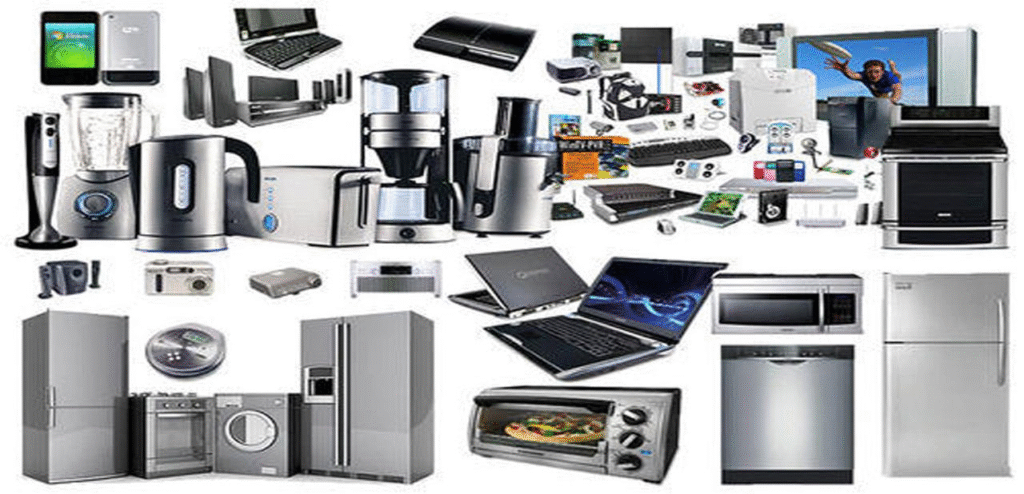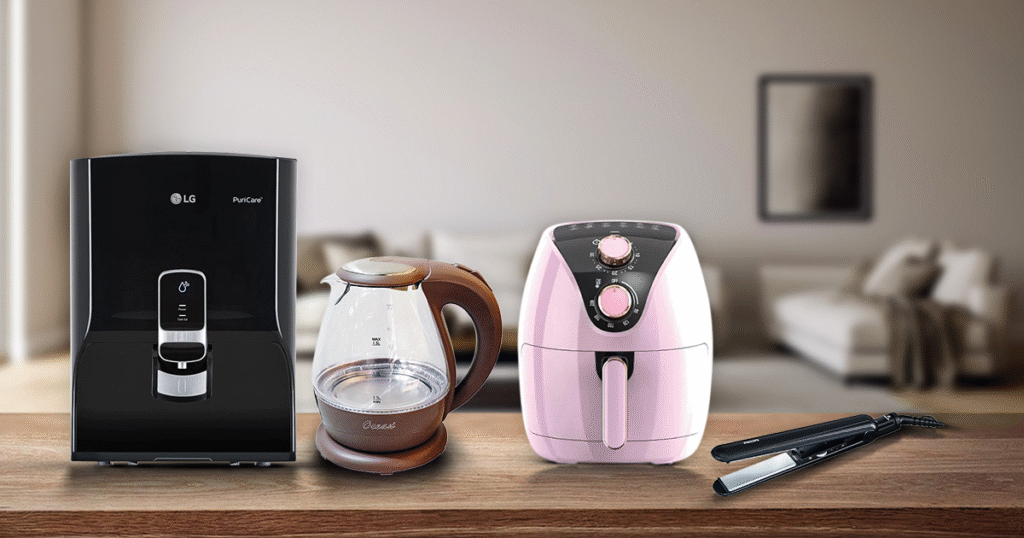
Home appliances have become an essential part of modern living. From refrigerators and washing machines to ovens, vacuum cleaners, air conditioners, and coffee makers, the right appliances can save time, reduce daily effort, and make household routines more convenient.
However, choosing a new appliance is not always easy. There are countless brands, models, features, sizes, and prices to compare. A product that works perfectly for one household may not be the right choice for another.
The smartest approach is to focus on your actual needs, available space, budget, energy use, and the features you are most likely to use. With a little research, you can choose appliances that provide useful performance without unnecessary expense.
Why Home Appliances Matter
Modern appliances can simplify many household tasks. A washing machine can handle large loads of laundry, a dishwasher can reduce time spent cleaning dishes, and a refrigerator can help keep food fresh.
Appliances can also improve comfort. Air conditioners, heaters, fans, air purifiers, and water heaters can make homes more comfortable throughout the year.
The best appliance is not necessarily the one with the longest feature list. It is the one that performs its main job reliably and fits naturally into your household routine.
How to Choose the Right Appliance
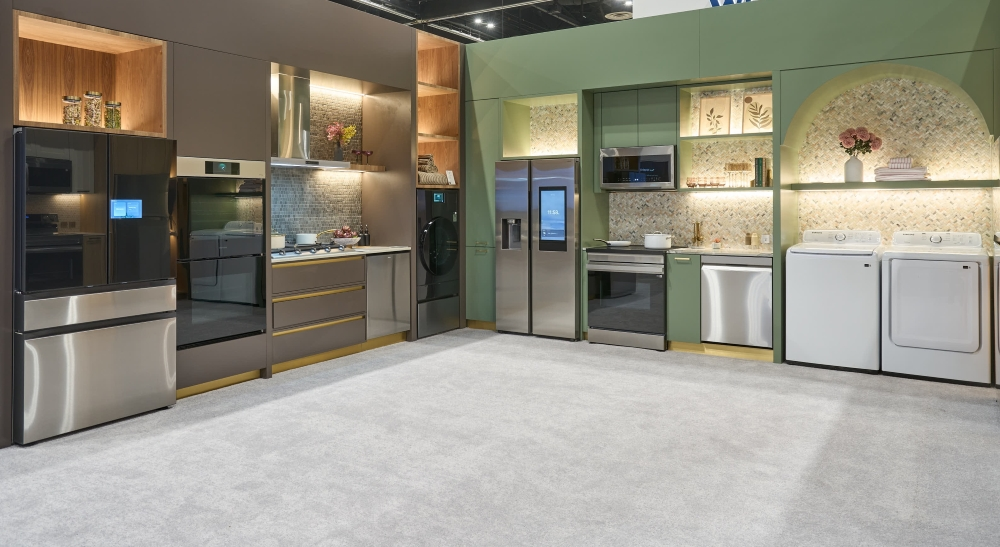
Before buying an appliance, take a moment to consider what you actually need.
Start with the space available in your home. Measure the area carefully, including height, width, and depth. Remember to leave enough room for doors, ventilation, cables, and movement where necessary.
Next, think about how frequently you will use the appliance. A large family may need a high-capacity washing machine or refrigerator, while a smaller household may benefit from a compact model.
Also consider your budget. Do not focus only on the purchase price. Energy consumption, maintenance, accessories, repairs, and expected lifespan can all affect the total cost of ownership.
Refrigerators
A refrigerator is one of the most important appliances in a home. It helps preserve food and makes meal planning more convenient.
When choosing a refrigerator, consider capacity, layout, energy efficiency, storage compartments, temperature controls, and available space.
Different designs suit different households. A larger family may benefit from a spacious model with flexible storage, while someone living alone may prefer a compact refrigerator.
Useful features can include adjustable shelves, dedicated fruit and vegetable drawers, quick-cooling settings, and flexible freezer compartments.
However, do not pay extra for features you are unlikely to use. Focus on storage capacity, reliability, efficiency, and ease of cleaning.
Washing Machines
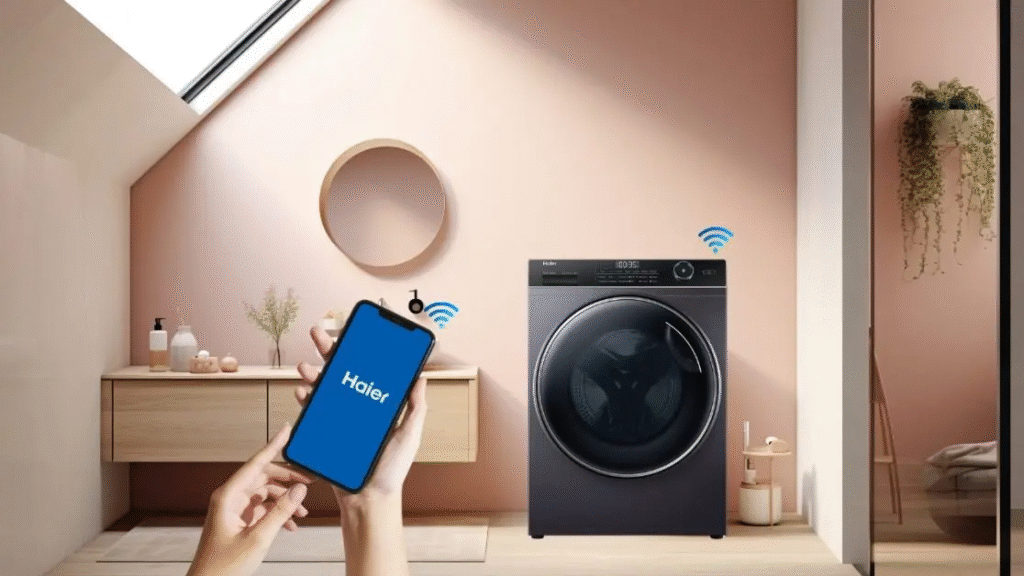
Washing machines can significantly reduce the time and effort required for laundry.
When comparing models, consider load capacity, washing programmes, spin speed, water consumption, energy efficiency, noise level, and available space.
A household that regularly washes large amounts of clothing may benefit from a higher-capacity model. Smaller households may prefer a compact machine that takes up less room.
Modern washing machines may offer specialised programmes for delicate clothing, quick washes, heavily soiled items, or energy-conscious cycles.
Before buying, check installation requirements and ensure the machine will fit comfortably in the intended location.
Dishwashers
A dishwasher can be especially useful for busy households. It can reduce the time spent washing dishes and may provide convenient cleaning for plates, glasses, cutlery, and cookware.
Consider capacity, rack design, wash programmes, noise levels, water use, and installation requirements.
A dishwasher should fit your kitchen layout and daily routine. If you frequently cook at home or have a large family, a larger capacity may be more useful.
Look for adjustable racks and flexible loading options if you regularly wash different types of dishes.
Ovens and Cooking Appliances
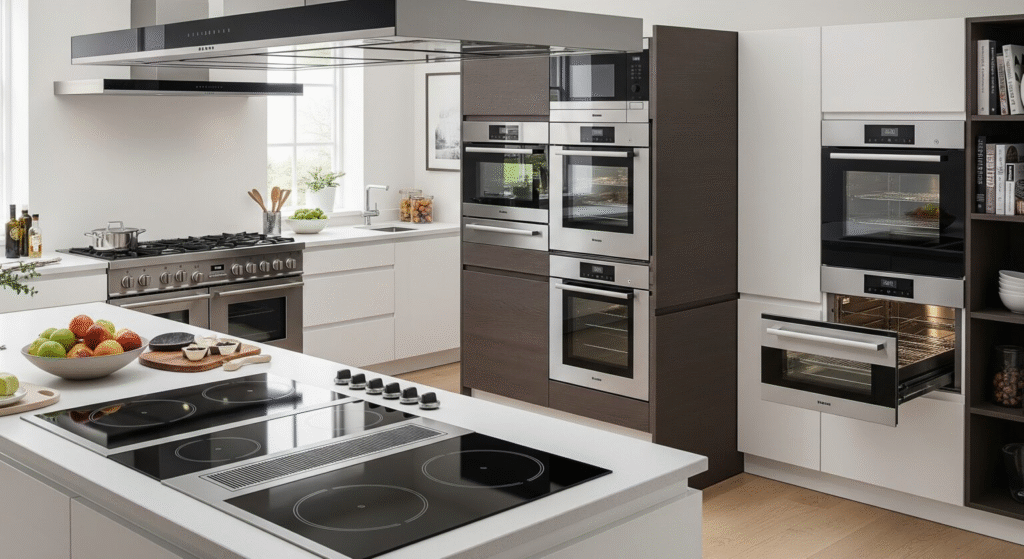
Cooking appliances are available in many styles, including conventional ovens, convection ovens, microwaves, induction cooktops, and combination appliances.
Think about your cooking habits before deciding what you need.
If you regularly bake or prepare large meals, oven capacity and temperature control may be particularly important. If you mainly prepare quick meals, a microwave or compact cooking appliance may be more useful.
For cooktops, consider the type of cookware you use, available space, ease of cleaning, and temperature control.
The best cooking appliance should match your cooking style rather than simply offering the largest number of functions.
Vacuum Cleaners
A good vacuum cleaner can make cleaning floors, carpets, furniture, and other surfaces easier.
Different designs are suited to different households. Upright models may be useful for larger carpeted areas, while cordless stick vacuums can provide convenient everyday cleaning.
When comparing vacuum cleaners, consider suction performance, battery life for cordless models, dust capacity, filtration, weight, attachments, and maintenance requirements.
If you have pets, look for models designed to handle hair and fur effectively. If you have allergies or sensitivities, filtration may deserve extra attention.
Air Conditioners and Heating Appliances
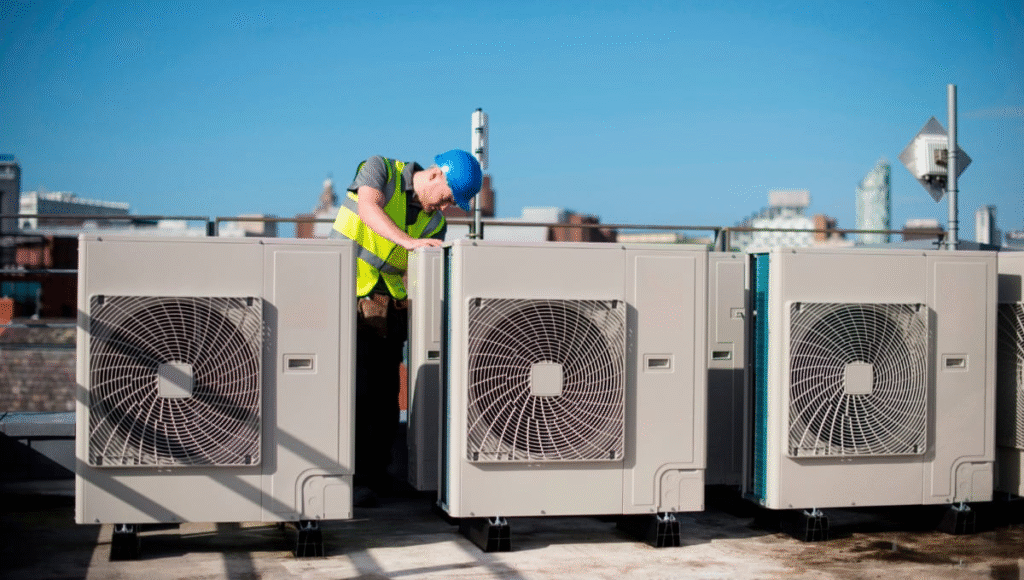
Temperature control can have a major impact on comfort, particularly in regions with very hot or cold weather.
When selecting an air conditioner, consider room size, energy efficiency, cooling capacity, noise level, installation requirements, and maintenance.
Choosing an appliance that is appropriately sized for the room is important. A unit that is too small may struggle to provide adequate cooling, while an oversized system may not operate as efficiently as expected.
For heating appliances, consider energy use, room size, safety features, and ventilation requirements.
Air Purifiers
Air purifiers have become increasingly popular in homes and offices.
When comparing an air purifier, consider the room size it is designed to serve, filter type, replacement costs, noise level, and maintenance requirements.
A good purifier should be suitable for the room where you plan to use it. Check the manufacturer’s recommendations rather than assuming a small unit will be effective in a large space.
Remember that an air purifier is not a replacement for proper ventilation, cleaning, or addressing the source of indoor pollution.
Small Kitchen Appliances
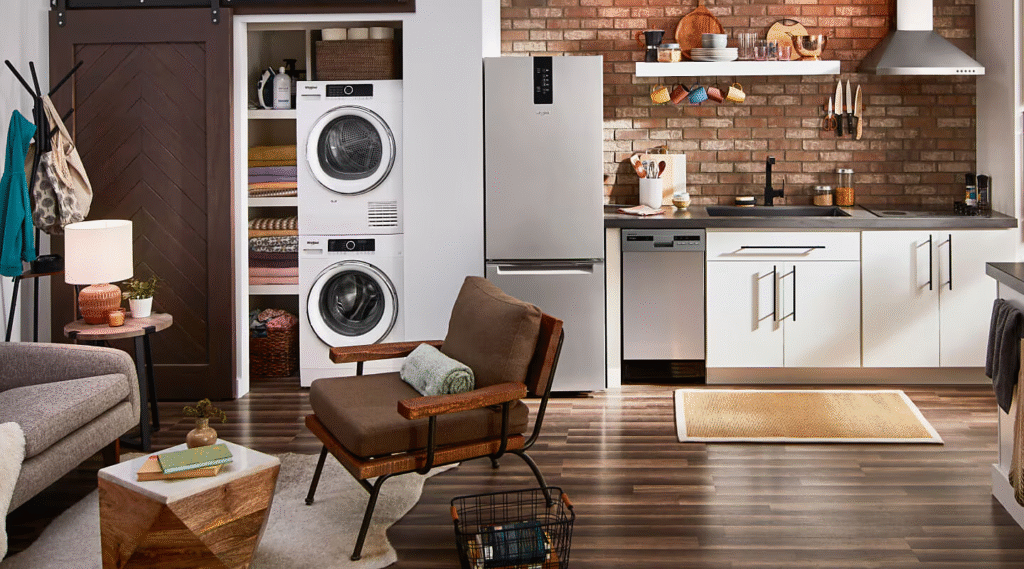
Small appliances can make everyday cooking and food preparation more convenient.
Useful options may include blenders, food processors, electric kettles, toasters, coffee makers, rice cookers, and mixers.
Think about how frequently you will use each appliance before buying. A product that takes up valuable counter space but is rarely used may not provide good value.
For frequently used small appliances, durability, ease of cleaning, controls, storage, and warranty support can be more important than having numerous advanced settings.
Smart Home Appliances
Smart appliances can connect to smartphones, home networks, or other devices. Depending on the product, users may be able to monitor settings, receive alerts, schedule tasks, or control appliances remotely.
These features can be convenient, but they are not essential for everyone.
Before buying a smart appliance, check whether it works with your existing devices and whether the associated application is easy to use.
Privacy and security should also be considered. Understand what information the device collects and keep software updated when required.
Energy Efficiency Matters
Energy consumption can have a significant effect on long-term household costs.
When comparing appliances, look for reliable energy information and consider how much electricity or water the product is likely to use during normal operation.
An energy-efficient appliance may have a higher purchase price but could potentially cost less to operate over time.
Do not judge efficiency based only on marketing claims. Look for recognised energy labels, official specifications, and reliable product information.
Check Size and Installation Requirements
One of the most common mistakes when buying appliances is failing to measure properly.
Before ordering, measure the available space carefully. Check doorways, hallways, stairs, and other areas the appliance must pass through during delivery.
Also review installation requirements. Some appliances may require specific electrical connections, plumbing, ventilation, drainage, or professional installation.
Planning these details beforehand can prevent expensive and frustrating problems.
Read Reviews Before Buying

Customer reviews can provide useful information about real-world performance.
Look for repeated comments about reliability, noise, performance, ease of cleaning, customer support, and durability.
Do not rely on a single review. One person’s experience may not represent the typical experience with a product.
It can also be helpful to look for reviews from people with similar household needs. A compact appliance may be perfect for a small apartment but unsuitable for a large family.
Understand the Warranty
A warranty can provide useful protection if an appliance develops a covered problem.
Before purchasing, check how long the warranty lasts and what it covers. Understand whether labour, replacement parts, or service visits are included.
Also check the manufacturer’s customer support and service availability in your region.
For expensive appliances, reliable after-sales support can be an important part of the buying decision.
Maintenance Can Extend Appliance Life

Regular maintenance can help appliances perform properly and may extend their useful lifespan.
Clean filters according to the manufacturer’s instructions, remove dust and debris where appropriate, and follow recommended maintenance schedules.
For refrigerators, keep vents clear and clean the interior regularly. For washing machines, follow guidance for cleaning the drum and detergent areas.
Vacuum cleaner filters and containers should also be maintained according to the manufacturer’s recommendations.
Small maintenance tasks can prevent avoidable performance problems.
Do Not Always Choose the Most Expensive Model
A higher price does not automatically mean an appliance is better for your household.
Premium models may offer additional features, advanced controls, higher-end materials, or more sophisticated technology. But if you only need basic functionality, a simpler model may provide better value.
Compare products based on the features you actually need, expected usage, energy costs, warranty, and reliability.
Think About Long-Term Value
A good appliance should provide useful performance for years, not just look attractive on the day you buy it.
Consider durability, operating costs, maintenance, repair availability, replacement parts, and expected lifespan.
A product that costs slightly more but consumes less energy and requires fewer repairs may offer better overall value than a cheaper model.
Create a Home Appliance Buying Checklist
Before making a purchase, ask yourself:
- Does the appliance fit the available space?
- Is the capacity suitable for my household?
- What features do I actually need?
- How much energy or water will it use?
- Is it easy to clean and maintain?
- What is the warranty?
- Are replacement parts available?
- Is customer service accessible?
- Have I compared similar models?
- Do independent reviews support my choice?
Answering these questions can make the buying process much easier.
FAQ’S
1. How do I choose the right home appliance?
Consider your space, budget, household needs, energy use, and essential features.
2. Are energy-efficient appliances worth buying?
Yes, they can help reduce energy consumption and long-term operating costs.
3. Should I buy smart home appliances?
Choose smart appliances if their connected features provide useful value for your lifestyle.
4. Why should I read appliance reviews?
Reviews can provide insights into performance, reliability, noise, and everyday use.
5. How can I make appliances last longer?
Follow maintenance instructions, clean them regularly, and use them correctly.