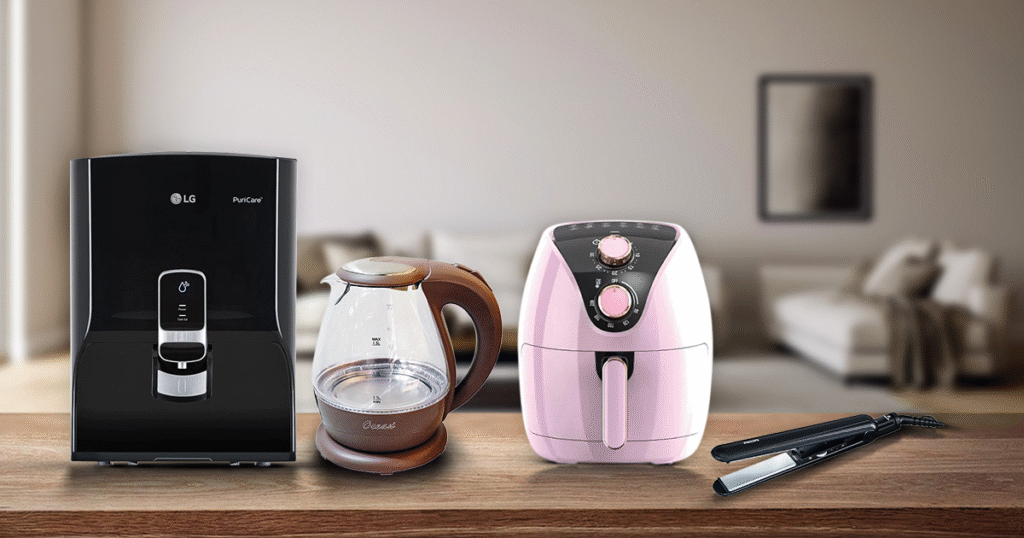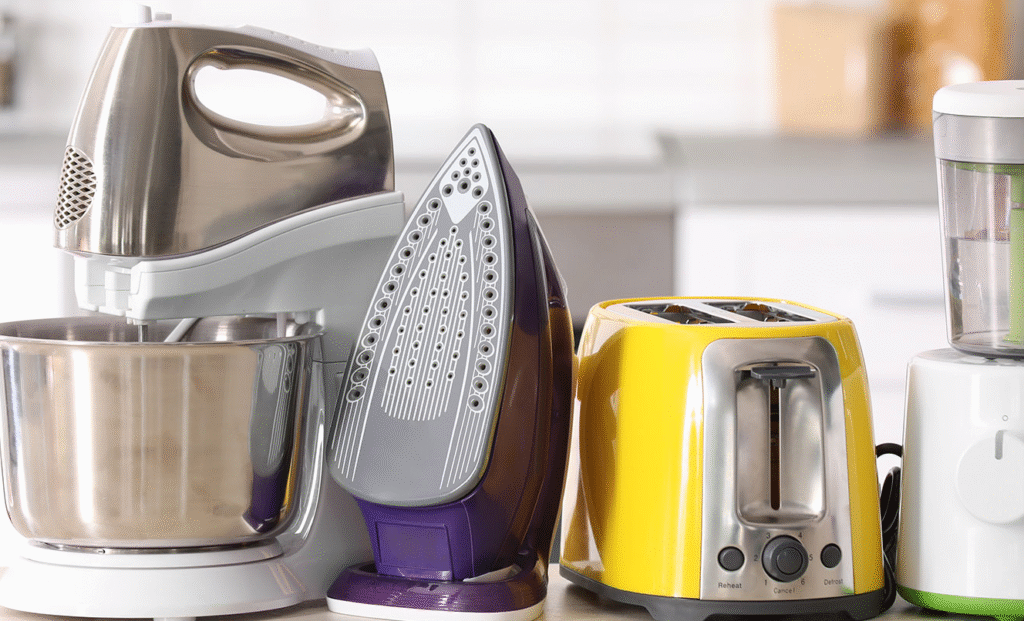
Home appliances have become an important part of everyday life. From preparing meals and washing clothes to keeping food fresh and maintaining a comfortable home, the right appliances can save time and reduce daily effort.
With so many models, features, sizes, and price ranges available, choosing the right appliance can sometimes feel confusing. A product may look impressive, but that does not necessarily mean it is the best choice for your home.
The smartest approach is to focus on your actual needs, available space, energy use, important features, reliability, and long-term value.
This guide covers practical tips for choosing and using home appliances so you can make more informed decisions.
Why Home Appliances Matter
Modern appliances are designed to make household tasks easier and more efficient. A washing machine can reduce hours of manual work, while a refrigerator helps keep food fresh for longer. Kitchen appliances can make cooking faster, and cleaning appliances can simplify routine maintenance.
The right appliance should fit naturally into your lifestyle.
For a small household, buying the largest available appliance may be unnecessary. For a large family, a smaller model may require frequent use and may not provide enough capacity.
Before buying anything, think about how often you will use it and what problem you want it to solve.
Consider Your Available Space
One of the first things to check before buying a home appliance is the available space.
Measure the area where you plan to place the appliance. Consider height, width, depth, door clearance, ventilation requirements, and access to electrical outlets or water connections when necessary.
Do not rely only on the advertised product dimensions. You should also make sure there is enough space to install, open, clean, and maintain the appliance comfortably.
For larger appliances, measure doorways and hallways as well. An appliance may fit perfectly in the kitchen but be difficult to move into the home.
Choose Appliances Based on Your Needs

A good appliance is one that matches your daily routine.
For example, if you cook frequently, a reliable oven, microwave, mixer, or food processor may be useful. If laundry is a major household task, capacity and washing programs may matter more than decorative features.
Think about your priorities before comparing products.
Ask yourself:
- How often will I use it?
- How many people will use it?
- What capacity do I need?
- Which features are genuinely useful?
- How much space do I have?
- What is my budget?
- How much energy will it consume?
Answering these questions can make your search much easier.
Kitchen Appliances
Kitchen appliances can make cooking and food preparation faster and more convenient.
Common options include refrigerators, ovens, microwaves, dishwashers, mixers, blenders, coffee makers, air fryers, and food processors.
When choosing kitchen appliances, consider how they fit into your cooking habits.
A person who prepares simple meals may not need a large collection of specialized appliances. Someone who cooks regularly may benefit from appliances that save preparation time.
For refrigerators, consider storage capacity, shelf layout, temperature controls, and energy efficiency. For ovens, look at cooking modes, size, controls, and cleaning features.
The best choice is not necessarily the appliance with the most functions. It is the one that offers the functions you will actually use.
Refrigerators and Food Storage

A refrigerator works continuously, so energy efficiency can be particularly important.
When choosing a refrigerator, consider household size, storage needs, layout, temperature controls, and maintenance requirements.
Think about how you normally organize food. Adjustable shelves, large compartments, and convenient storage areas can make everyday use easier.
Avoid choosing a refrigerator that is significantly larger than your needs unless you regularly store large quantities of food.
Keeping the refrigerator organized can also improve convenience. Place commonly used items where they are easy to reach and avoid overcrowding the interior.
Washing Machines
Washing machines can save considerable time and effort, but choosing the right model requires more than looking at appearance.
Consider capacity, wash programs, water use, energy consumption, spin speed, noise levels, and available space.
A larger capacity can be helpful for families, while smaller households may prefer a compact model.
Look for washing programs that match the types of clothing you commonly wash. Features such as quick cycles, temperature controls, and delayed start can be useful depending on your routine.
Regular cleaning of the detergent compartment, drum, filter, and other recommended areas can help maintain performance.
Dishwashers

Dishwashers can simplify kitchen cleanup and may be especially useful for busy households.
Before buying one, check available space, capacity, wash programs, water use, noise levels, and installation requirements.
Consider how many dishes you typically wash each day. A compact dishwasher may be enough for a smaller household, while a larger model can be more practical for families.
Loading dishes correctly can also improve cleaning results. Avoid overcrowding and follow the manufacturer’s recommendations for different types of cookware.
Microwaves and Small Kitchen Appliances
Microwaves are useful for reheating food, preparing quick meals, and reducing cooking time.
When selecting a microwave, consider size, power, controls, cooking programs, and ease of cleaning.
Other small appliances should be evaluated based on how often you expect to use them.
A blender may be valuable if you regularly prepare smoothies or sauces. A food processor can help with chopping and preparation. An air fryer may appeal to people who want another convenient cooking method.
Avoid buying an appliance simply because it is popular. Consider whether it will become a regular part of your routine.
Air Conditioners and Cooling Appliances

Cooling appliances can have a significant effect on household energy consumption.
When choosing an air conditioner, consider room size, climate, energy efficiency, noise, cooling capacity, and installation requirements.
Choosing a unit that is appropriately sized for the room is important. A unit that is too small may struggle to cool the space, while an oversized system may not provide the experience you expect.
Regular filter cleaning and proper maintenance can also support efficient operation.
Vacuum Cleaners and Cleaning Appliances
Vacuum cleaners come in many forms, including upright, canister, cordless, handheld, and robotic designs.
The best choice depends on your floor type, home size, cleaning routine, and storage space.
For homes with multiple floor surfaces, look for a model designed to handle those materials. If you have limited storage space, a compact or cordless option may be more convenient.
Robotic cleaning devices can help with routine maintenance, but they may not completely replace traditional cleaning tools.
Energy Efficiency Matters
Energy efficiency is an important factor when buying appliances.
An appliance that costs less initially may not always be the least expensive choice over its lifetime. Higher energy consumption can increase operating costs.
Check energy labels and estimated consumption where available. Compare models based on expected usage rather than focusing only on the purchase price.
Energy-efficient appliances can potentially reduce ongoing costs while also using fewer resources.
Simple habits matter too. Avoid leaving appliances running unnecessarily, maintain filters and vents, and follow the manufacturer’s recommended settings.
Smart Home Appliances

Smart appliances can connect to mobile apps, home networks, or other devices.
Depending on the product, smart features may allow you to monitor settings, receive notifications, schedule activities, or control certain functions remotely.
These features can be convenient, but they should not be the main reason to buy an appliance.
Ask whether the smart functions provide a real benefit. If you rarely use remote controls or app-based features, paying significantly more for them may not be worthwhile.
Also consider privacy, software support, connectivity requirements, and ease of setup.
Compare Features Carefully
Appliance manufacturers often advertise many features, but not all of them are equally useful.
Create a list of must-have features before shopping. Then separate them from features that would simply be nice to have.
For example, a washing machine’s capacity, cleaning performance, and energy use may matter more than a large collection of specialized programs you rarely use.
Comparing products based on your priorities can help prevent unnecessary spending.
Check Reviews and Reliability
Reviews can provide useful information about real-world experiences.
Look for patterns rather than relying on a single review. Pay attention to comments about performance, noise, ease of use, maintenance, durability, and customer support.
Professional reviews can help explain technical differences, while customer reviews may reveal practical issues that are difficult to notice from specifications alone.
Keep in mind that every product can receive both positive and negative feedback. Look for consistent information across multiple sources.
Consider Warranty and Service
A warranty can provide useful protection if something goes wrong.
Before buying, check the warranty period, what it covers, and how repairs are handled. Also consider whether service centers or replacement parts are easily available in your area.
A slightly more expensive appliance with dependable support may offer better long-term value than a cheaper option that is difficult to repair.
Maintenance Can Extend Appliance Life

Buying a good appliance is only the beginning. Proper maintenance can help keep it working effectively.
Clean filters regularly, remove dust from vents, inspect seals, and follow the manufacturer’s maintenance instructions.
Do not ignore unusual sounds, leaks, overheating, or performance changes. Small problems can sometimes become more expensive if they are left unresolved.
Keep instruction manuals or digital copies available so you can check recommended care procedures when needed.
Avoid Buying Based Only on Price
Price is important, but it should not be the only factor.
A low-cost appliance may have higher energy consumption, fewer useful features, limited warranty coverage, or a shorter expected lifespan.
At the same time, the most expensive model is not automatically the best.
Think about total value. Consider the purchase price, operating costs, maintenance, reliability, features, and expected use.
The right appliance is one that provides useful performance within your budget.
Expert Tips for Smarter Appliance Shopping
Before making a purchase, keep these simple tips in mind:
- Measure your space carefully.
- Set a realistic budget.
- Identify the features you actually need.
- Compare energy consumption.
- Check product reviews.
- Research warranty and service options.
- Compare the total cost rather than the initial price.
- Avoid unnecessary features.
- Consider long-term maintenance.
- Buy based on your household’s actual needs.
Taking a little extra time before purchasing can help prevent expensive mistakes.
FAQ’s
1. How do I choose the best home appliance?
Consider your needs, available space, budget, energy use, features, and long-term reliability.
2. Are energy-efficient appliances worth buying?
Yes, they can help reduce ongoing energy consumption and household operating costs.
3. What should I check before buying an appliance?
Check dimensions, capacity, features, reviews, warranty, energy rating, and maintenance requirements.
4. Are smart home appliances useful?
They can be useful if connected features genuinely make your daily routine easier.
5. How can I make appliances last longer?
Follow maintenance instructions, clean filters and vents, and address problems early.