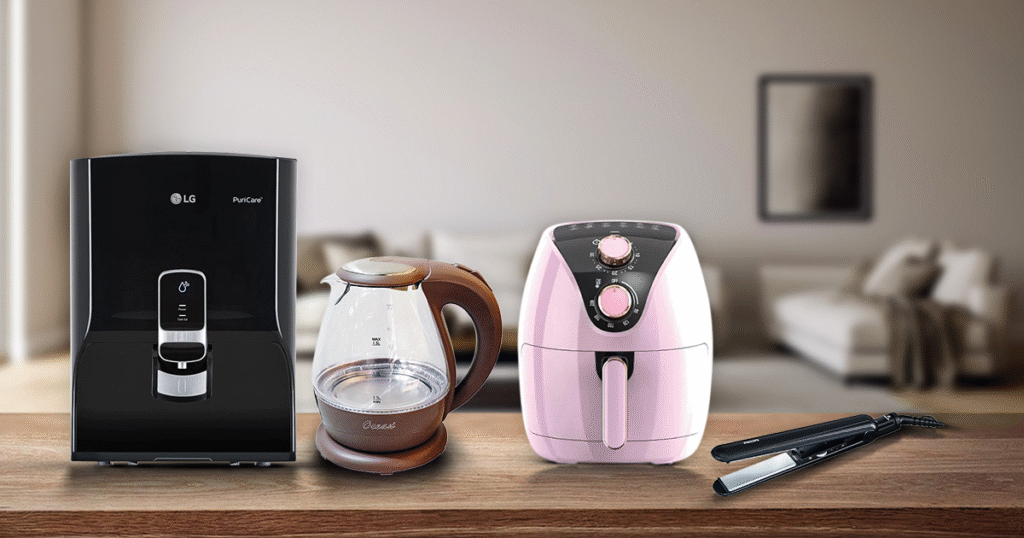
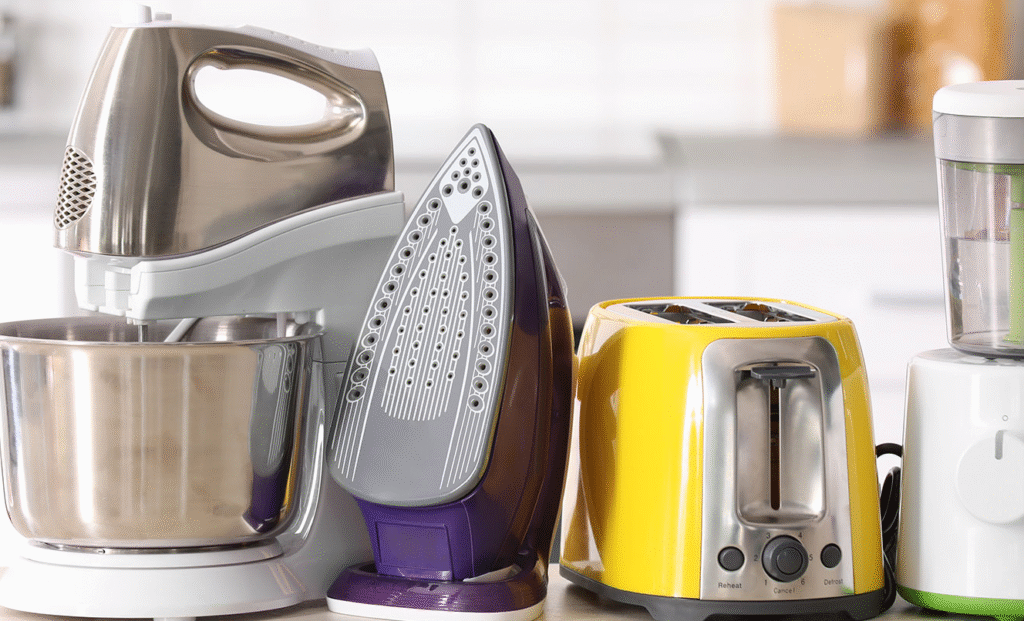
Upgrading your household appliances should make your daily life easier, but stepping into an appliance store or browsing online today can feel like stepping onto a sci-fi movie set. Almost every new refrigerator, washing machine, and oven comes packed with digital displays, Wi-Fi connectivity, touchscreens, and automated features. While some of these innovations are genuine lifesavers that cut down on housework and trim your monthly utility bills, others are little more than expensive gimmicks that end up frustrating you more than helping you.
The secret to making modern home upgrades without losing your mind or overspending comes down to a clear, pragmatic strategy: buy appliances that solve specific, daily headaches in your household rather than paying a steep premium for high-tech features you will rarely, if ever, touch.
What “Smart” Really Means in Everyday Life
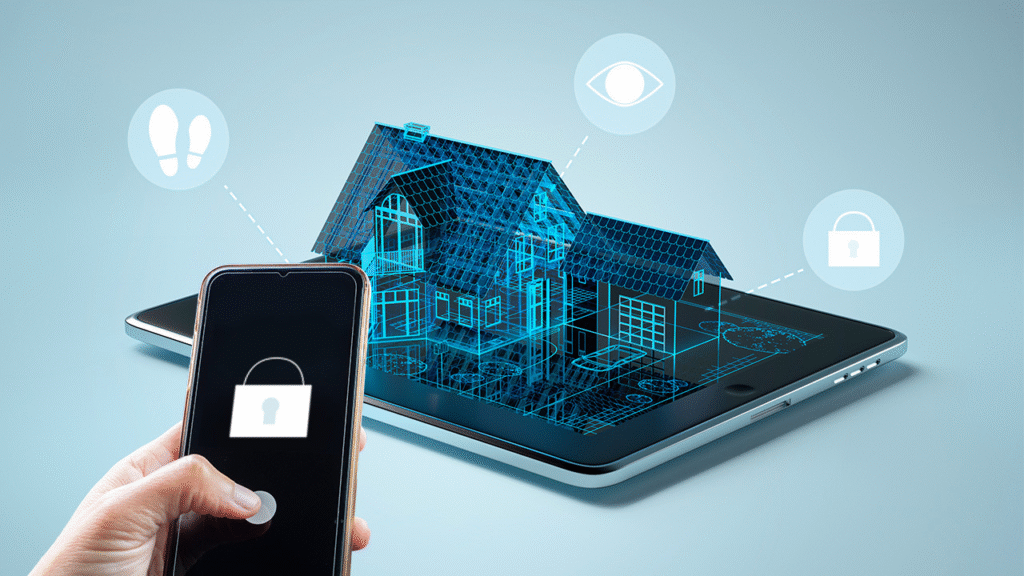
When manufacturers label an appliance as “smart,” it usually just means the unit includes sensors, software, or network connectivity that allows it to monitor its own operation, send alerts, or be controlled remotely. Instead of just turning on and off when you press a physical button, connected appliances communicate with your smartphone or smart home hub.
+-----------------------------------------------------------------------+
|                       Practical Smart Features                        |
+------------------------------------+----------------------------------+
| Remote Monitoring & Alerts         | Energy & Resource Management     |
| • Door-open reminders              | • Real-time power tracking       |
| • Cycle completion notifications   | • Off-peak scheduling            |
| • Maintenance & filter warnings    | • Load-sensing water consumption |
+------------------------------------+----------------------------------+
These features sound impressive on paper, but their actual usefulness depends entirely on how you live. If you are someone who frequently forgets to flip the laundry into the dryer, getting a push notification on your phone when a wash cycle finishes can prevent clothes from sitting damp overnight and getting musty. If you travel frequently, being able to adjust your thermostat or check if the refrigerator door was left open brings genuine peace of mind.
On the flip side, if you prefer straightforward, mechanical dials and just want to push a button without pulling out your phone, paying extra for app connectivity adds unnecessary complexity to simple chores. An appliance should fit seamlessly into your routine, not force you to manage yet another software app.
Start with High-Use Machines
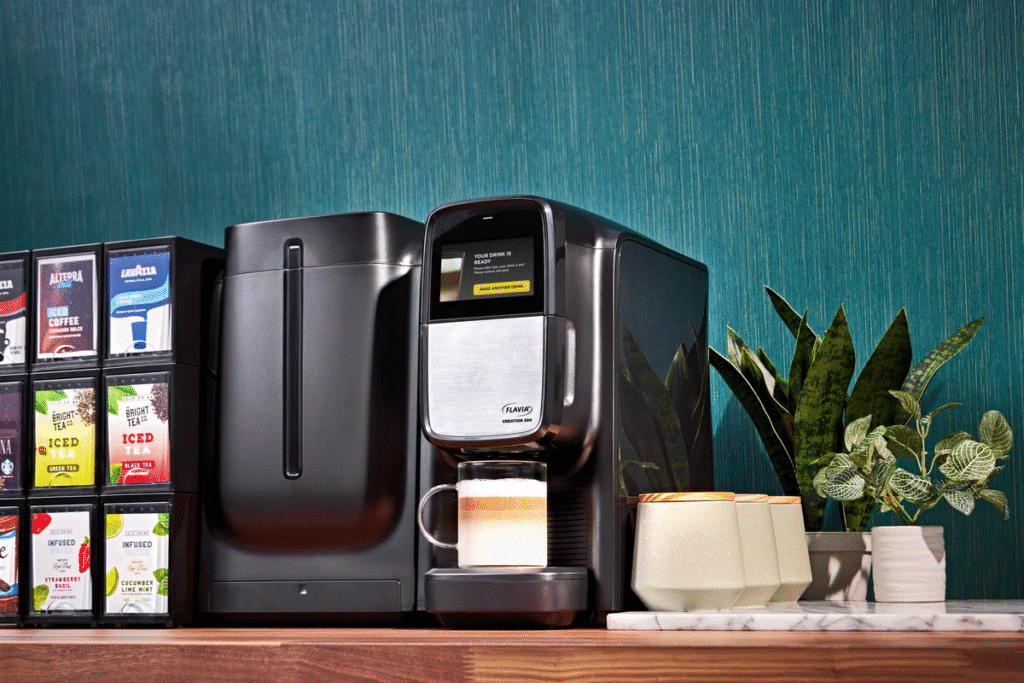
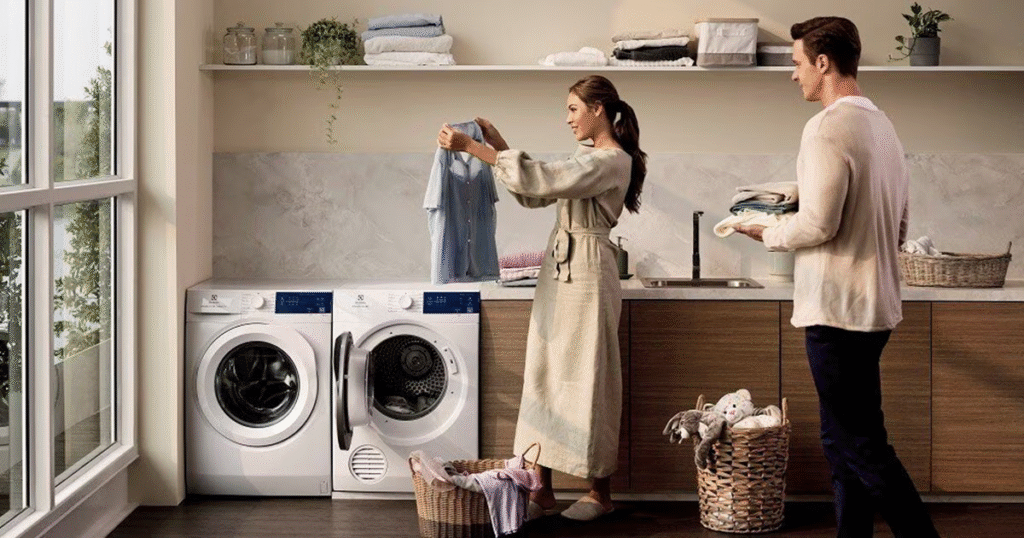
If your goal is to update your home, trying to replace every major unit at once is rarely practical for your budget or your sanity. A far better approach is to prioritize the appliances you rely on every single day, where even minor improvements in convenience or efficiency will yield immediate returns.
- Washing Machines and Dryers: Laundry is a relentless task for most households. If managing laundry feels like an endless chore, upgrading to a washer with automatic detergent dispensing and load-sensing technology can save considerable time. Load sensors calculate the exact weight of your clothes and adjust the water level and cycle time accordingly, preventing wasted water and unnecessary wear on your garments.
- Refrigerators: Your fridge is the only appliance in your home that runs continuously, twenty-four hours a day, seven days a week. Upgrading to a modern unit with dual-cooling zones, precise digital temperature management, and adjustable shelving provides continuous, everyday value by keeping food fresh longer and reducing grocery waste.
- Automated Floor Care: Keeping floors clean takes up hours of weekend time, particularly in homes with pets or children. A robotic vacuum cleaner can take over daily surface sweeping automatically, allowing you to limit heavy manual vacuuming to once every couple of weeks rather than every few days.
By targeting the areas of your household routine that cause the most daily friction, you ensure that every dollar you spend delivers a noticeable improvement in your quality of life.
Prioritize Energy Efficiency Over Flashy Displays
Large household appliances account for a substantial percentage of your home’s total energy and water usage. When you compare different models, it is easy to get distracted by sleek glass doors, touchscreen interfaces, or custom interior lighting. However, the long-term cost of running an appliance often matters far more than its initial purchase price.
| Appliance Category | Key Technical Focus | Practical Daily Benefit |
| Washing Machines | Cold-water wash performance & load sensing | Reduces energy used for heating water and prevents resource waste on partial loads. |
| Refrigerators | Inverter compressors & dual-evaporators | Maintains uniform cooling while drawing less continuous electricity. |
| Air Conditioners | Variable-speed inverter compressors | Prevents power spikes by adjusting cooling capacity smoothly rather than blasting at full power. |
An energy-efficient appliance with a slightly higher upfront price tag can easily prove far cheaper over a ten-year operational lifespan than a cheaper, less efficient model. Look closely at verified energy ratings and estimated annual operating costs rather than assuming the most expensive machine is automatically the most efficient.
Align Kitchen Upgrades with Your Actual Cooking Habits
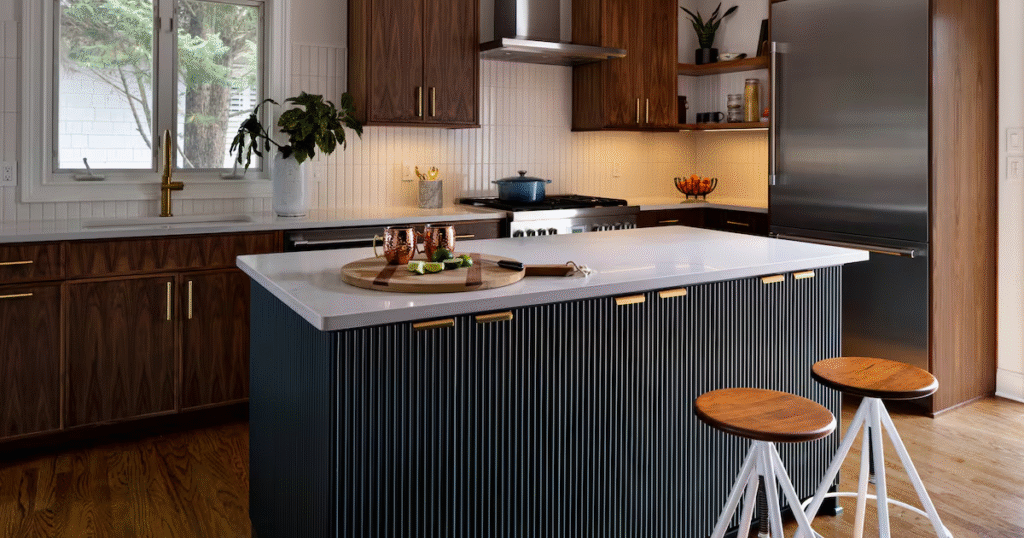
Kitchen appliances have seen massive technological shifts, but it is crucial to evaluate these upgrades against how you actually prepare meals day to day.
Modern ovens and multi-cookers now come equipped with wireless internal temperature probes, built-in air fry settings, guided recipe touchscreens, and steam-assisted baking modes. For an avid home cook who loves trying complex recipes and baking from scratch, these advanced features offer unprecedented precision and open up new culinary possibilities.
However, if your typical routine consists of quick weeknight dinners, reheating meal prep, or making simple dishes, a complex digital control panel will likely just get in your way. A straightforward range with powerful, fast-heating burners, simple manual dials, and an easy-to-clean surface will serve you far better than an over-engineered smart oven with menus you will never open.
Critical Details to Check Before You Buy
Before you place an order or sign a delivery agreement, take time to check a few crucial logistical details that are frequently overlooked:
- Exact Dimensions and Clearances: Never rely solely on generic width and height specs. Measure your installation cutout carefully, making sure to account for required rear ventilation gaps, water line connections, and door swing radiuses. Additionally, measure every hallway, doorway, and stairwell along the path the delivery team must take to get the new unit into place.
- Platform Compatibility: If you are buying a connected appliance specifically for its smart capabilities, confirm that its native mobile app is fully compatible with your smartphone’s operating system and your home Wi-Fi network band without requiring expensive third-party bridge hardware.
- Local Repair and Parts Availability: High-tech components can sometimes mean specialized repairs. Check whether local service technicians in your area actually work on the brand you are considering, and confirm that basic replacement parts—such as water filters, door gaskets, or heating elements—are readily available without long shipping delays.
- Network Security and Updates: Any device connected to your home network can potentially present a security risk. Stick with reputable manufacturers that regularly issue firmware updates, and always set strong, unique passwords for any online accounts linked to your appliances.
Upgrade at Your Own Pace
You do not need to transform your entire home into a fully automated smart house overnight. The most sensible strategy is to start small by replacing a single appliance that addresses a clear, persistent daily frustration.
Bring that new unit home, integrate it into your regular routine for a few months, and see whether its features genuinely make your life easier. By taking a measured, step-by-step approach, you can build a comfortable, energy-efficient home that perfectly supports your lifestyle while keeping your hard-earned money focused where it matters most.
FAQs
1. What are smart home appliances?
Smart home appliances use modern technology to offer features such as automation, remote control, notifications, and customized settings.
2. Are smart appliances worth buying?
They can be worth it if their features make everyday tasks easier, save time, or improve energy management.
3. Do smart appliances use more electricity?
Not necessarily. Many smart appliances are designed with energy-saving features, but actual consumption depends on the appliance and how it is used.
4. Can smart appliances be controlled by a phone?
Many connected appliances can be monitored or controlled through a compatible mobile app.
5. What should I check before buying a smart appliance?
Check its size, features, energy efficiency, compatibility, maintenance needs, warranty, and overall cost.