

Taking care of yourself does not have to feel like another job waiting on your to-do list. You do not need a complicated skincare routine, dozens of beauty products, or a perfectly planned morning to feel good about yourself.
Sometimes, personal care is much simpler.
It can be taking a shower after a tiring day, washing your hair when it needs it, putting on fresh clothes, eating a proper meal instead of reaching for whatever is quickest, or going to bed when you are tired rather than spending another hour on your phone.
These may seem like small things, but small things are often what make everyday life more comfortable.
The truth is that life gets busy. Between work, college, family responsibilities, household chores, relationships, and everything else that needs your attention, it is surprisingly easy to put yourself at the bottom of the list.
You may think, “I will make time for myself when things calm down.”
But there is always another task waiting.
That is why personal care should fit into your life instead of making your life more difficult. You do not need a perfect routine. You need habits that are realistic enough to continue even when your week gets hectic.
Personal Care Is Not Only About Beauty
When we hear “personal care,” many of us immediately think about skincare, makeup, haircare, or beauty treatments.
Those things can certainly be part of your routine. If putting on makeup makes you feel confident or doing your skincare at night helps you relax, there is nothing wrong with enjoying it.
But personal care goes much deeper than appearance.
Getting enough sleep, eating properly, staying active, maintaining good hygiene, caring for your teeth, managing stress, and giving yourself time to rest are just as important.
It also means noticing changes in how you feel.
Maybe you have been exhausted lately. Perhaps your sleep has been poor, your stress levels have been high, or you have stopped doing things you normally enjoy.
Those changes are worth paying attention to.
There is no universal routine that every woman needs to follow. Your lifestyle, schedule, budget, preferences, skin, hair, and personal circumstances are different from someone else’s.
Instead of copying a routine you see online, take the ideas that genuinely make sense for you and leave the rest.
Start With Everyday Hygiene
You do not need expensive products to take good care of yourself.
The basics are still important.
Regular bathing, washing your hands, changing into clean clothes, and brushing your teeth all contribute to feeling fresh and comfortable.
If you exercise or spend a lot of time outside, changing out of sweaty clothes can also help you feel more comfortable.
It is easy to forget about the everyday items you use around you.
Towels, pillowcases, bedsheets, makeup brushes, combs, and hair accessories can collect oils, sweat, dirt, and product residue over time. Cleaning them regularly is a simple habit that can make your routine more hygienic.
And some personal items should stay personal. Toothbrushes and razors, for example, should never be shared.
There is no need to turn hygiene into a huge daily project. Consistency with the basics is what really matters.
Keep Your Skincare Routine Simple
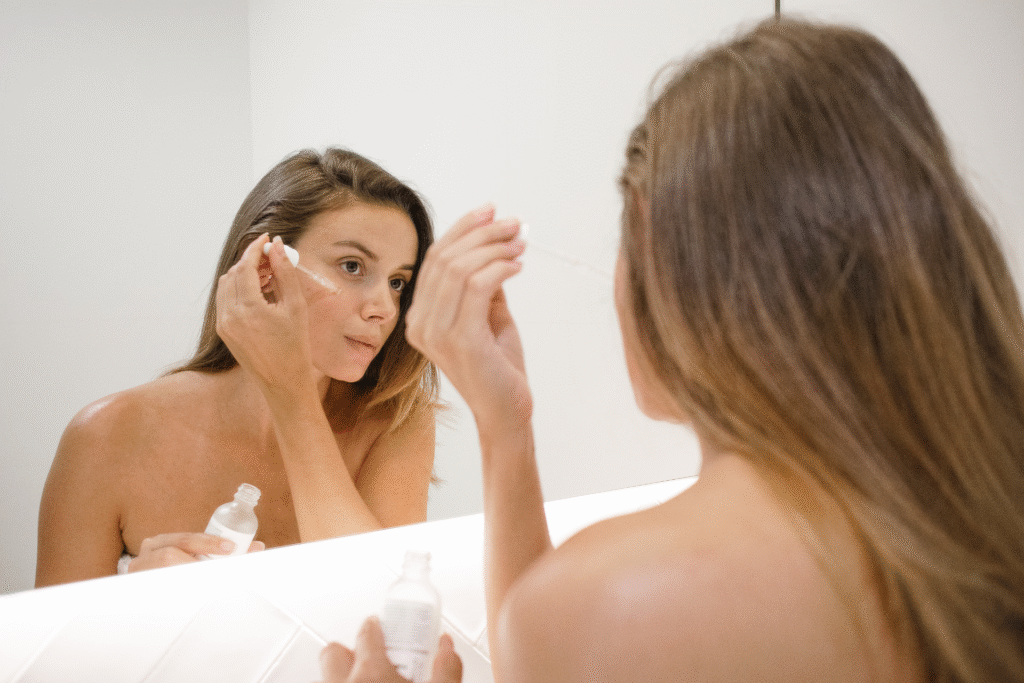
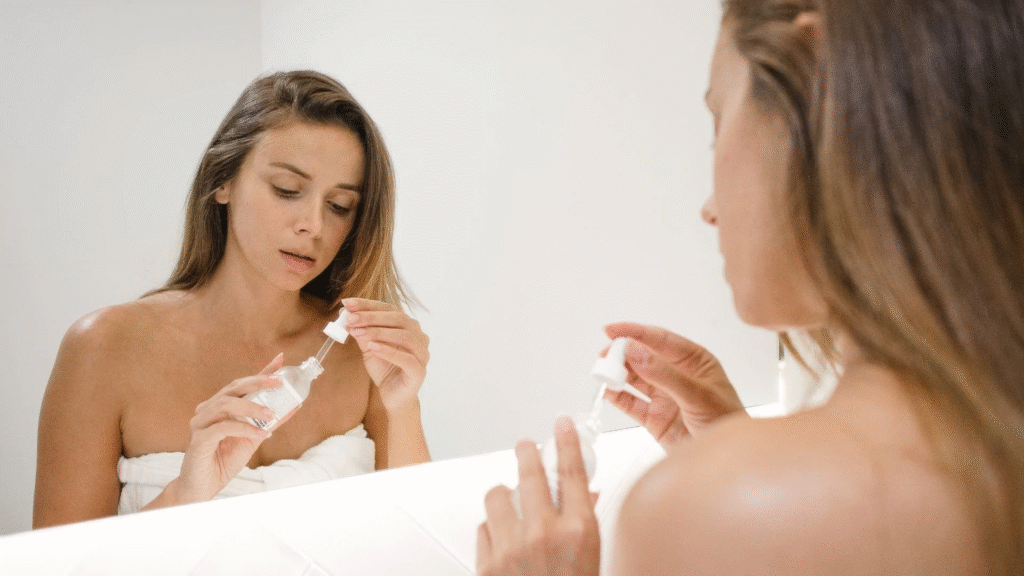
Skincare can become confusing very quickly.
You see a new serum online. Then someone recommends a toner. A few days later, there is a face mask that supposedly gives amazing results. Before long, you may feel as though a basic skincare routine requires ten different products.
It does not.
Starting with a simple routine can make things much easier.
Gently cleanse your skin, use a moisturizer that feels comfortable for you, and protect exposed skin from the sun.
That is a solid starting point.
If you later decide that you need another product for a particular concern, introduce it gradually. There is no need to replace your entire routine every time something new becomes popular.
This is especially useful if your skin tends to be sensitive. Adding one product at a time makes it easier to notice whether your skin likes it or reacts badly.
If you have persistent acne, severe irritation, or unusual skin changes, it is better to seek advice from a dermatologist instead of continually experimenting with products.
Make Sun Protection Part of Your Routine
Sunscreen is one of those products that can be easy to forget because you cannot immediately see its benefits.
However, regular exposure to ultraviolet radiation can contribute to premature skin aging and increase the risk of skin cancer.
Using a broad-spectrum sunscreen on exposed skin can help reduce UV exposure.
If you are spending a long time outdoors, swimming, or sweating, check the instructions on your sunscreen so you know when it needs to be reapplied.
You also do not need to be going on vacation to think about sun protection.
Everyday activities such as walking, commuting, shopping, sitting outdoors, or going to college or work can involve sun exposure.
Making sunscreen part of your normal morning routine can make it much easier to remember.
Let Your Hair Have Its Own Routine

Hair care is not one-size-fits-all.
Some women need to wash their hair often because their scalp gets oily quickly. Others have dry, curly, or textured hair and prefer to wash it less frequently.
Neither approach is automatically right or wrong.
Pay attention to your own hair and scalp.
If your hair feels dry or brittle, your routine may need some adjustment. If your scalp becomes oily soon after washing, you may prefer to wash more often.
Heat styling is another thing to keep in mind.
Straighteners, curling irons, and hair dryers can be useful when you want a particular look, but frequent high heat can contribute to damage. When possible, use a lower temperature and give your hair a break from styling.
Very tight hairstyles can also put repeated tension on the hair and scalp. Changing your hairstyle occasionally can help reduce that strain.
If you notice sudden hair loss or ongoing scalp problems, professional advice is more useful than simply buying another hair product and hoping it works.
Do Not Forget About Your Teeth
Oral care may not be the most exciting part of a beauty routine, but it deserves attention.
Brush your teeth twice a day with fluoride toothpaste and clean between your teeth regularly. Routine dental appointments can also help identify problems before they become more serious.
Do not ignore symptoms that continue.
Persistent tooth pain, swollen gums, frequent bleeding, or other unusual changes should be checked by a dental professional.
A few minutes of care each day may seem insignificant, but those habits can have a lasting impact.
Give Sleep the Time It Needs

Sleep is often the first thing to disappear when your schedule becomes busy.
You might stay up late finishing an assignment, answering messages, watching a show, or simply enjoying some quiet time after a long day.
Then morning comes, and you wonder why you feel exhausted.
Staying up late occasionally is normal. The problem is when it becomes your everyday routine.
Most adults need at least seven hours of sleep, although individual needs can vary.
Try to give yourself enough time to rest instead of treating sleep as leftover time at the end of the day.
Going to bed and waking up at roughly the same time can help create a more predictable schedule.
Your sleeping environment matters too. A room that is comfortable, reasonably dark, and quiet can make it easier to relax.
And if your phone keeps tempting you to stay awake, try putting it aside before you get into bed.
You do not need an elaborate bedtime routine.
Sometimes going to bed a little earlier is all the self-care you need.
Eat Well Without Chasing Every Diet

Food advice seems to change constantly.
One month, everyone is talking about one diet. The next month, another eating plan is supposed to be the answer to better health and more energy.
Following every trend can become exhausting.
Instead, focus on variety and balance.
Try to include vegetables, fruits, whole grains, protein-rich foods, healthy fats, and enough fluids in your regular meals.
You can still enjoy your favorite foods.
You can have dessert.
Eating well does not mean that every meal needs to be perfectly healthy.
The goal is to develop an eating pattern that supports your everyday life without making you feel constantly restricted.
If you have specific dietary or health needs, speak with a qualified healthcare professional or registered dietitian for advice suited to you rather than relying entirely on general social media recommendations.
FAQs
1. What is personal care for women?
Personal care includes hygiene, skincare, haircare, oral care, healthy habits, rest, and mental well-being.
2. Is an expensive skincare routine necessary?
No. A simple routine with cleansing, moisturizing, and sun protection can be a practical starting point.
3. How much sleep do adults generally need?
Most adults need at least seven hours of sleep each night, although individual needs can vary.
4. How can I make personal care easier?
Start with a few simple habits that fit your schedule instead of trying to change everything at once.
5. Should I follow beauty trends from social media?
Not blindly. Consider whether a trend is safe and suitable for you before trying it.

