Your bedroom is so much more than just a place to crash at the end of the day. It’s your personal sanctuary—the space where you wrap up your night and reset for whatever tomorrow brings. How you set up this room has a huge impact on your sleep, your mood, and your overall peace of mind. But creating a bedroom that feels genuinely comfortable, organized, and effortlessly stylish doesn’t happen by accident; it just takes a little intention.
Whether you’re starting with a blank slate in a new home, trying to make a cramped room feel a bit more breathable, or simply looking to give your space a quick face-lift, this guide covers everything you need to know about layout, styling, and sensory design.
1. Getting the Basics Right: Planning Your Space
Before you pick out paint colors or add items to an online shopping cart, take a step back to focus on the foundation: spatial planning. A great room design always starts with how you actually live and move through the space every day.
Figure Out What You Actually Need
Everyone uses their bedroom a little differently. Take a moment to think about what you’ll actually be doing in your room besides sleeping:
- Unwinding: Reading in bed, meditating, or catching up on your favorite shows.
- Working: Setting up a small desk for a laptop, writing, or studying.
- Getting Ready: Storing clothes, trying on outfits, and doing your morning routine.
- Moving: Keeping enough floor space open for stretching or a quick morning workout.
Giving these activities their own subtle zones keeps visual clutter from taking over, helping your brain associate the bed strictly with rest.
Measure Twice, Buy Once
Guesswork almost always leads to awkward layouts. Grab a tape measure and get the length and width of the room, but don’t stop there. Make sure you map out:
- How far your bedroom and closet doors swing open.
- Window heights, depths, and sill placement.
- The exact locations of outlets, light switches, and vents.
- Unique architectural details like nooks, slanted ceilings, or structural posts.
Focus on Real, Physical Comfort


A gorgeous bedroom isn’t worth much if it isn’t actually comfortable to be in. Put the bulk of your effort—and budget—where it touches your body directly: a mattress tailored to how you sleep, supportive pillows, and soft, breathable sheets. Style should always build on top of physical comfort, never replace it.
2. Smart Layout Strategies
How you arrange your furniture completely dictates the energy of the room. A crowded, chaotic setup creates subtle background stress, while a thoughtful layout instantly puts you at ease.
The Calm of Symmetry
Symmetry feels naturally calming to us. Placing matching nightstands and lamps on either side of a centered bed anchors the space right away. It offers a classic, grounded look that works exceptionally well in standard and master bedrooms.
Give the Room a Focal Point
Every great room needs a clear anchor. Work with what you have by directing furniture toward the room’s best features—like a big window with a nice view, a fireplace, or a accent wall. If your room is a simple rectangular box, let the bed itself take center stage with a great frame or textured bedding.
Where to Put the Bed
Where you place your bed changes how cozy and secure you feel in the space:
- The Command Position: Anchor your headboard against a solid wall where you can easily see the door without being directly in line with the entryway.
- Steer Clear of Drafty Windows: Resting your head right under a window can expose you to chilly drafts in the winter and unwanted morning sun in the summer.
- Leave Room to Move: Try to keep around 60 to 70 cm (24 to 28 inches) of open walking space around your bed and main furniture so you aren’t squeezing past corners.
3. Decorating & Styling 101
Once your furniture layout is set, decorating is what brings warmth, depth, and your personal taste into the room.
The 60-30-10 Color Trick
If you want a balanced color palette that feels cohesive without being overwhelming, try this simple framework:
- 60% Main Color: Soft neutrals, warm earth tones, or gentle shades for your walls, large rugs, and main furniture.
- 30% Secondary Shade: Mid-tone colors brought in through bedding, drapes, accent chairs, or headboards.
- 10% Accent Pop: Fun, rich colors featured in throw cushions, artwork, lamps, and small decor pieces.
Layer Different Textures
A room that uses only one material ends up feeling flat and clinical. Bring in organic warmth by mixing contrasting textures—think crisp linen sheets, a plush velvet cushion, raw wooden nightstands, a woven fiber rug, and smooth ceramic lamps.
Keep Scale in Mind
Scale is all about how items look next to one another. Putting tiny, delicate furniture in a massive bedroom makes the space feel empty, while towering wardrobes in a small room will make it feel claustrophobic. Balance larger anchor pieces (like a tall headboard or fixture) with simpler, streamlined accessories.
4. 20 Easy Ways to Elevate Your Space
Here are twenty simple styling ideas to help turn your room into a cozy retreat:
1. Upgrade Your Headboard
Turn your bed into an instant centerpiece. Go for tufted fabric for a soft, elevated look, warm reclaimed wood for a touch of rustic charm, or custom built-in shelving that runs high up the wall.
2. Layer Your Bedding Like a Hotel
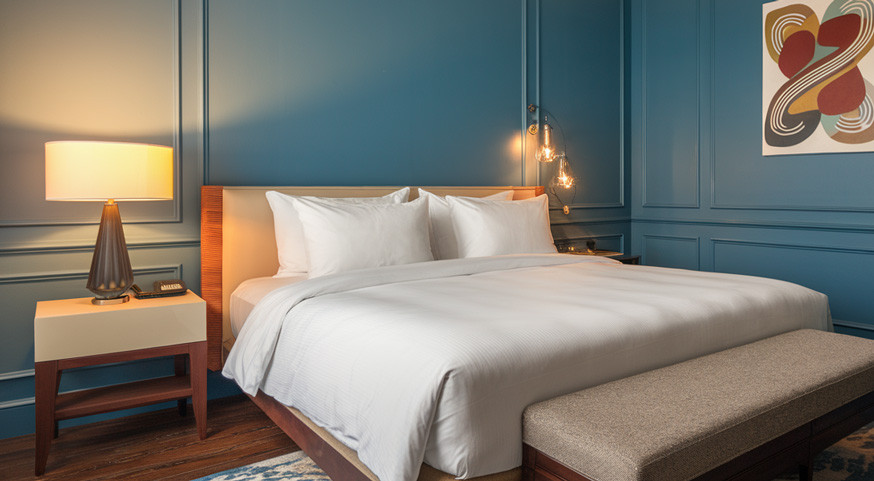
Bring home that lush, inviting hotel bed feeling:
- Base Layer: A fitted sheet and crisp top sheet made from percale or washed linen.
- Middle Layer: A soft duvet folded back neatly at the foot of the bed.
- Top Layer: A textured waffle-weave or knit throw draped casually across the bottom.
- Pillows: Lay your sleeping pillows flat, then lean structured euro shams and a long lumbar pillow in front.
3. Switch to Wall Lighting
Save precious nightstand space by installing wall sconces or hanging low pendant lights on either side of the bed. They look clean, frame the headboard beautifully, and give you focused light for late-night reading.
4. Choose Furniture That Works Twice as Hard
Make your pieces do double duty, especially if you’re working with less square footage. Look for lift-up storage beds, nightstands with hidden cord cutouts, or a padded bench with shoe storage placed at the foot of your bed.
5. Add a Feature Wall
Instead of standard paint, add character behind your bed with physical texture. Try vertical wooden slats, classic board-and-batten paneling, a moody wallpaper pattern, or a soft lime-wash paint finish.
6. Style a Open Bookshelf
A tall bookcase or open shelves give you a place to display favorite reads, framed photos, and little treasures from your travels. Adding warm LED strip lighting under the shelves creates an amazingly cozy glow at night.
7. Expand the Space with Mirrors
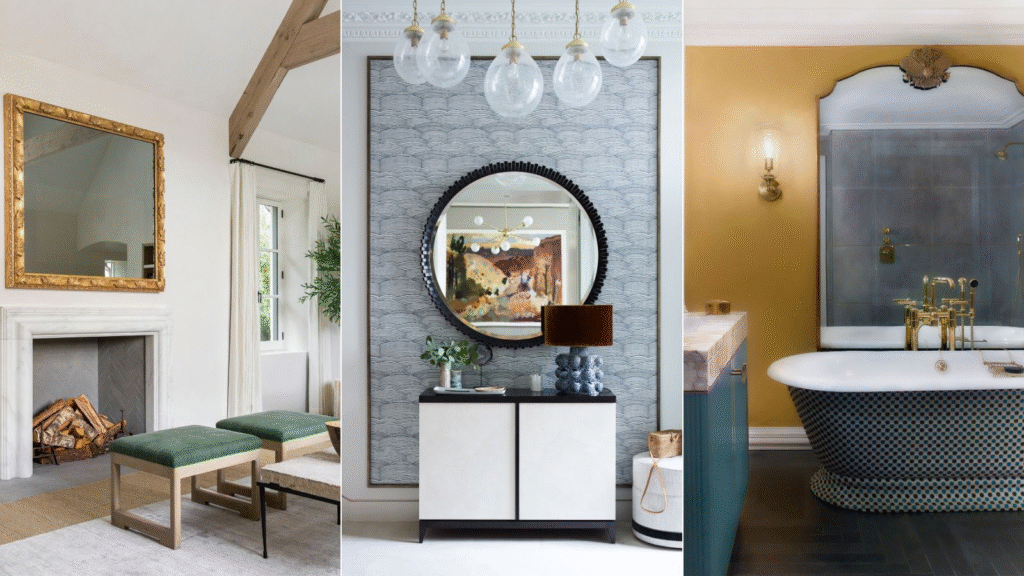
A full-length mirror bounces natural light into dark corners and visually stretches the room. Try placing a large floor mirror opposite or right beside a window to catch the best light.
8. Frame the Room with a Modern Canopy Bed
Add height and a sense of cozy enclosure with a four-poster canopy bed. Sleek black metal or light wood frames keep things feeling airy and modern without needing heavy, traditional curtains.
9. Bring In a Few Houseplants
Plants soften hard furniture lines, add a pop of vibrant color, and help keep the room feeling fresh. A few easy choices include:
- Snake Plant: Thrives in low light and doesn’t mind neglect; ideal for empty corners.
- Peace Lily: Handles medium indirect light and adds soft green leaves.
- Pothos: Great for high shelves, where its cascading vines add easy visual height.
- ZZ Plant: Super low-maintenance and perfect for darker nightstands.
10. Hang a Gallery Wall
Showcase your story by grouping framed art on a main wall. Mix line drawings, black-and-white family photos, and abstract prints. Keeping your frames or matting consistent helps tie everything together.
11. Tuck Technology Out of Sight
To keep the vibe calm, hide unnecessary screens and cords. Use frame-style TVs that double as art, tuck cable boxes inside drawers, and run cord covers along baseboards to keep wires hidden.
12. Don’t Ignore the Ceiling
Your ceiling is basically the “fifth wall” of the room. Give it a bit of personality by painting it a soft shade, adding subtle wood beams, or installing a simple ceiling medallion around your main light fixture.
13. Layer Your Lights
Avoid relying on just one bright overhead light. Create a cozy mood by using three different light sources:
- General Light: A dimmable central ceiling fixture or soft recessed lights.
- Task Light: Flexible reading sconces or bedside lamps with warm bulbs (around 2700K).
- Mood Light: Subtle LED strips hidden behind the headboard or inside wardrobe nooks.
14. Mount Floating Shelves
Save floor space in small rooms with slim floating shelves. Staggering them above a dresser gives you a spot for artwork and decor without cluttering up your actual tabletops.
15. Ground the Space with a Large Rug
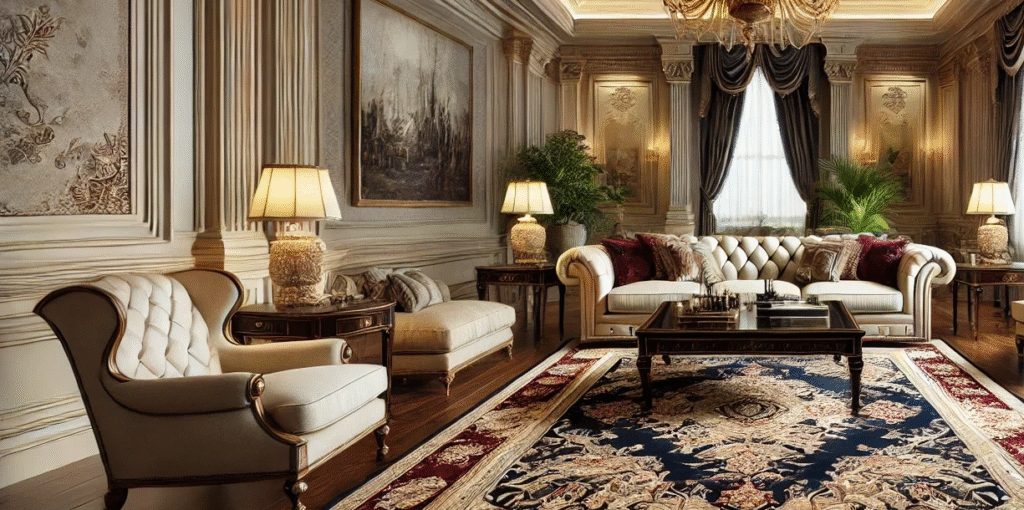
A great rug ties the whole layout together. Pick a size big enough to extend 60 to 90 cm past the sides and bottom of your bed so your feet hit something soft and warm first thing in the morning.
16. Layer Your Window Treatments
Combine sheer curtains with heavier blackout drapes. The sheer panels let in soft daylight while keeping things private during the day, while blackout drapes block streetlights and mute outside noise for better sleep.
17. Keep It Simple with Minimalism
If clutter makes you feel anxious, lean into a clean, minimal design. Stick to low platform beds, seamless wardrobe doors, quiet neutrals, and keep your flat surfaces mostly clear.
18. Switch Up Accents with the Seasons
Keep your room feeling fresh by keeping main furniture neutral and swapping out smaller details as the weather changes. Use light linens and cool tones for summer, then bring out chunky knits and warm, earthy tones for winter.
19. Invest in Fitted Storage
If your budget allows, floor-to-ceiling built-in wardrobes make use of every square inch. Concealed drawers, hanging rails, and built-in seating clear away clutter for a seamless, custom look.
20. Design for All Five Senses

True comfort goes way beyond how a room looks. Make your bedroom feel like a true retreat by engaging every sense:
- Smell: Run an essential oil diffuser with lavender, cedarwood, or bergamot.
- Touch: Mix washed linen, smooth cotton, and soft wool blankets.
- Sound: Use a white-noise machine or soft acoustic panels to buffer unwanted outside noise.
5. Small Rooms vs. Large Master Suites
The actual footprint of your bedroom dictates how you should approach the space.
Designing for Small Spaces
- Think Vertical: Take storage high up the walls with tall wardrobes, and mount curtain rods right near the ceiling to make the room feel taller.
- Choose Raised Furniture: Beds, dressers, and tables on slim legs let light pass underneath, making the floor space feel continuous and open.
- Clear the Floor: Skip bulky floor lamps and nightstands—opt for wall-mounted sconces and floating nightstands instead.
Designing a Sprawling Suite
- Pull Pieces Off the Walls: Avoid pushing all your furniture flat against the outer walls, which leaves a weird, empty void in the middle. Pull items inward to create cozy clusters.
- Create Activity Zones: Give extra space a clear purpose by creating a reading corner with a comfortable armchair and floor lamp, or set up a dedicated vanity area.
- Define Areas with Rugs: Use separate rugs under the bed and seating areas to visually anchor each zone in the room.
Wrapping Up
Designing a bedroom you love comes down to balancing practical layout choices with your own personal taste. By focusing on smooth flow, warm lighting, smart storage, and touchable textures, you can transform any space into a peaceful personal haven.
Looking for more home styling guides, spatial tips, and practical product breakdowns? Head over to mycomparison.org for our latest guides!
FAQ’s
1. How can I make my bedroom look beautiful?
Use comfortable furniture, balanced lighting, simple décor, and colors that create a relaxing atmosphere.
2. What are popular modern bedroom ideas?
Minimalist décor, neutral colors, smart storage, simple furniture, and layered lighting are popular choices.
3. How can I make a small bedroom feel bigger?
Use multifunctional furniture, mirrors, light colors, and keep the room organized and clutter-free.
4. What furniture is essential for a bedroom?
A comfortable bed, bedside tables, suitable storage, and practical lighting are key essentials.
5. How can I create a cozy bedroom?
Add soft bedding, warm lighting, comfortable textures, curtains, rugs, and personal decorative touches.