

Personal care does not have to mean following a complicated routine or buying a shelf full of products. In everyday life, good personal care is mostly about simple habits that help you stay clean, comfortable, fresh, and confident. A consistent routine can also make it easier to notice subtle changes in your skin, hair, or overall physical appearance.
With so many beauty and grooming trends appearing every day, it can be difficult to know what is actually worth following. The best approach is to keep things practical: choose products that suit your needs, pay attention to basic hygiene, and build habits that you can realistically maintain over time.
The Foundation of Daily Self-Care
Good personal care begins with basic hygiene. Regular bathing or showering, wearing clean clothes, practicing hand hygiene, and maintaining oral health are simple habits, but they make a significant difference in how you feel throughout the day.
                           [ PERSONAL CARE ROUTINE ]
                                       │
       ┌───────────────────────┬───────┴───────┬───────────────────────┐
       │                       │               │                       │
       ▼                       ▼               ▼                       ▼
[ Basic Hygiene ]       [ Skin Protection ]     [ Scalp & Hair ]      [ Internal Health ]
  - Daily Washing         - Gentle Cleansing      - Scalp Balance       - Balanced Diet
  - Oral Care             - Moisture Barrier      - Targeted Washing    - Hydration
  - Tool Sanitation       - Broad Sun Guard       - Heat Safety         - Consistent Rest
Wash your hands regularly, particularly before eating and after using the restroom. Keep your nails clean and trimmed, and change into clean clothes daily. Pay extra attention to areas that tend to become sweaty during the day, especially after exercise or spending time outdoors in warm weather.
Oral hygiene deserves the same level of attention. Brushing your teeth twice a day and cleaning between your teeth with floss or interdental brushes should be non-negotiable parts of your morning and evening routines. Keeping these basic habits consistent is far more effective than trying to fix accumulated problems all at once.
Core Personal Care Elements
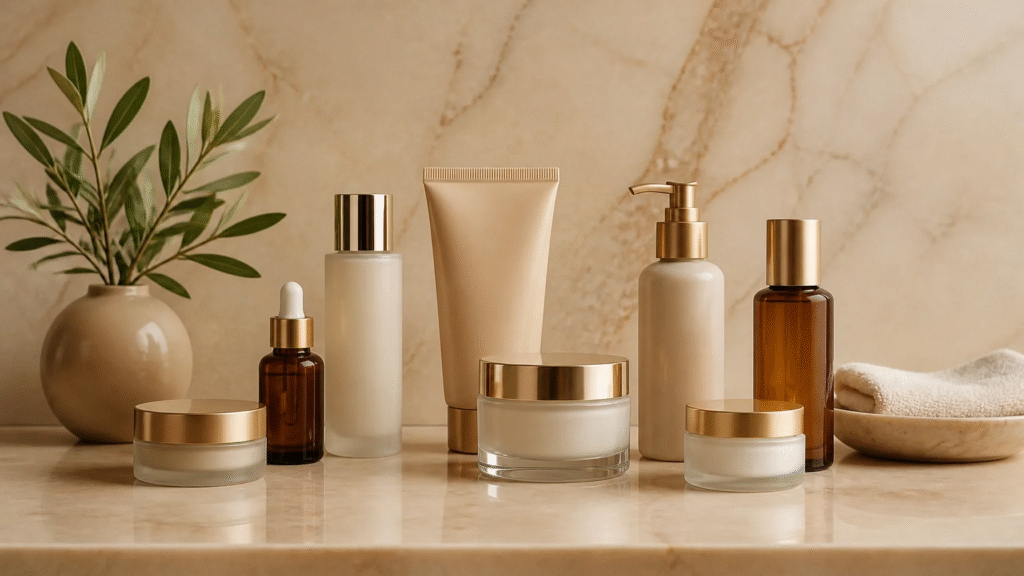
The table below outlines the basic daily practices, primary functional objectives, and key habits to maintain for a sustainable personal care routine.
| Care Area | Primary Objective | Key Daily Habits | Common Pitfall to Avoid |
|---|---|---|---|
| Personal Hygiene | Prevents bacterial buildup and maintains overall freshness | Regular bathing, hand washing, wearing clean clothing | Neglecting areas prone to sweat buildup |
| Oral Health | Protects teeth and gums; maintains fresh breath | Brushing twice daily, interdental cleaning | Skipping evening brushing or flossing |
| Skincare | Maintains skin barrier integrity and protects against UV damage | Gentle cleansing, moisturizing, applying broad-spectrum sunscreen | Over-exfoliating or using too many active products |
| Hair & Scalp Care | Cleanses scalp sebum and maintains hair shaft integrity | Washing based on scalp oiliness, conditioning mid-lengths to ends | Washing on a rigid schedule despite scalp needs |
| Hand & Nail Care | Prevents dry skin and prevents dirt accumulation under nails | Moisturizing after washing, keeping nails clean and trimmed | Biting nails or picking at cuticles |
| Tool Maintenance | Prevents bacteria transfer back to skin and hair | Washing makeup brushes, cleaning combs, drying razors | Leaving wet grooming tools in humid bathrooms |
Keeping Your Skincare Routine Simple
A skincare routine does not need to contain a dozen steps. For most people, a minimal routine built around cleansing, moisturizing, and sun protection is far easier to maintain and often produces better results than a complicated collection of products.
                        DAILY SKINCARE PROTOCOL

    Morning Routine                          Evening Routine
  ────────────────────                     ────────────────────
  1. Gentle Cleanser                       1. Gentle Cleanser
  2. Lightweight Moisturizer               2. Hydrating Moisturizer
  3. Broad-Spectrum Sunscreen              3. Targeted Treatment (Optional)
Choose a cleanser that leaves your skin feeling refreshed rather than dry or tight. After cleansing, applying a moisturizer supports the skin’s barrier function and locks in hydration.
During the day, sun protection is critical. Broad-spectrum sunscreen protects exposed skin from harmful ultraviolet rays that cause premature aging and structural damage. Apply sunscreen as the final step of your morning routine and reapply when spending extended time outdoors.
Understanding Your Skin Type
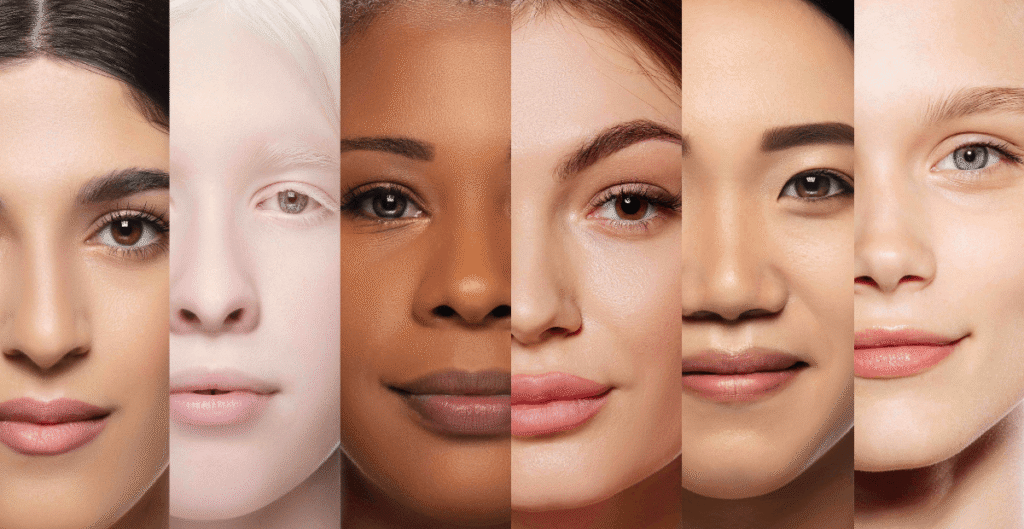
Making better personal care choices starts with understanding your specific skin characteristics:
       [ Oily Skin ] ────► Excess Sebum Production ───► Light Gel Formulas
       [ Dry Skin ]  ────► Lack of Lipid Barrier   ───► Rich Cream Moisture
       [ Combined ]  ────► Mixed Facial Zones     ───► Targeted Layering
       [ Sensitive ] ────► Reactive to Fragrance   ───► Minimalist Ingredients
- Oily Skin: Produces excess sebum throughout the day, often requiring lightweight, gel-based moisturizers that do not clog pores.
- Dry Skin: Lacks natural lipids, making richer cream formulas necessary to prevent flaking and tightness.
- Combination Skin: Features an oily T-zone (forehead, nose, and chin) alongside dry or normal cheeks, benefiting from balanced or targeted product application.
- Sensitive Skin: Reacts easily to synthetic fragrances, harsh alcohols, or heavy active ingredients, requiring gentle, fragrance-free formulations.
Instead of choosing products simply because they are popular, observe how your skin actually responds. If a product causes persistent redness, itching, or breakouts, stop using it immediately. A product trending online is not automatically suitable for your unique skin chemistry.
Practical Hair and Scalp Care
Hair care is another major component of personal grooming. The right approach depends on your hair texture, scalp condition, and daily environment.
[ Identify Scalp Type ] ──► [ Wash as Needed ] ──► [ Condition Lengths Only ] ──► [ Air/Cool Dry ]
Avoid washing your hair according to a rigid rule simply because someone else follows it. Some people produce more scalp oil and require frequent washing, while others with drier scalps or curly textures thrive with longer intervals between washes.
Apply shampoo directly to the scalp to break down oil and buildup, letting the lather gently rinse through the lengths. Follow with conditioner, applying it primarily from the mid-lengths down to the ends to prevent weighing down the roots. When using heated styling tools, always apply a heat protectant spray beforehand and keep the temperature setting as low as practical to minimize heat damage.
Hand, Nail, and Grooming Tool Maintenance
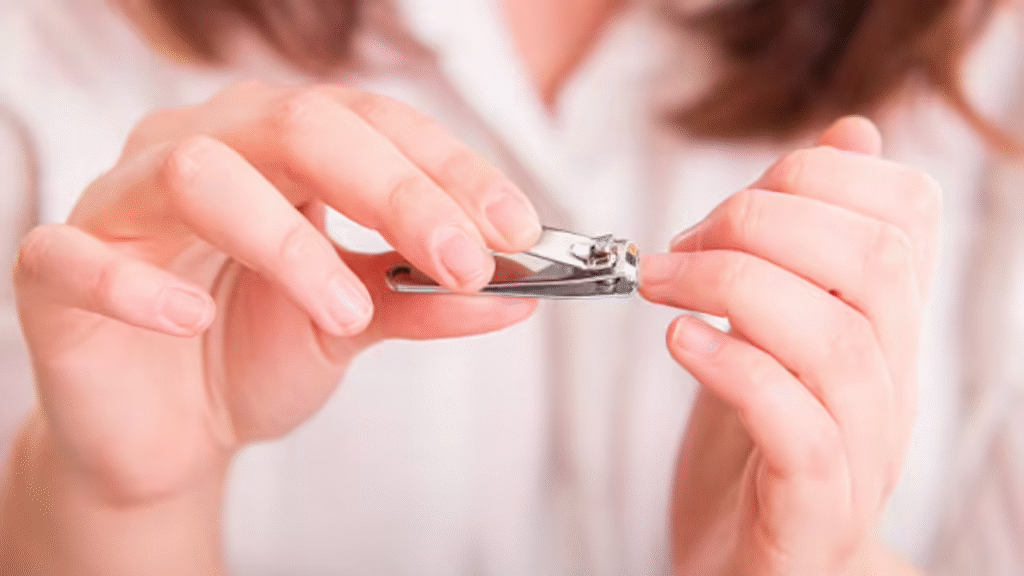
Your hands are exposed to elements and surfaces constantly, making them prone to dryness and wear. While frequent hand washing is essential for health, it can strip natural oils from the skin.
[ Cleanse Hands ] ──► [ Apply Hand Cream ] ──► [ Trim & Clean Nails ]
Keep a small tube of hand cream near your sink or desk to restore moisture after washing. Keep your nails neatly trimmed and clean out any debris that gathers underneath them. Avoid biting your nails or picking at cuticles, which can introduce bacteria beneath the skin.
Similarly, remember that personal care tools require regular upkeep. Wash makeup brushes, sponges, and hairbrushes weekly using warm water and mild soap. Store razors in a dry location rather than inside a damp shower stall to prevent rusting and bacterial growth. Never share personal grooming items like razors or nail clippers, as this can easily spread skin infections.
Establishing Realistic Morning and Evening Habits
Structuring your care habits into manageable morning and evening windows prevents personal care from feeling like a chore.
                       BALANCED DAILY SCHEDULE

  Morning Focus (Prepare & Protect)     Evening Focus (Cleanse & Restore)
  ---------------------------------     ---------------------------------
  • Brush teeth & wash face             • Remove makeup & cleanse face
  • Apply moisturizer & sunscreen       • Brush teeth & clean interdentally
  • Shower & dress in clean clothes     • Moisturize body & hands
  • Style hair gently                   • Change into comfortable sleepwear
Keep your morning routine streamlined. If it takes too long, you will eventually skip steps when rushed. Focus on basic hygiene, sun protection, and presentable grooming so you feel ready for the day ahead.
Your evening routine should focus on clearing away the day’s accumulation of sweat, dirt, pollution, and sunscreen. Taking a warm shower, cleansing your face, applying a night moisturizer, and brushing your teeth helps send a clear signal to your nervous system that it is time to wind down for rest.
Selecting Products Based on Functional Needs
Shopping for personal care items can quickly become overwhelming due to aggressive marketing and endless product choices. Instead of purchasing items based on attractive packaging or viral claims, identify the specific function you need the product to perform.
[ Identify Specific Need ] ──► [ Read Ingredient Labels ] ──► [ Patch Test New Product ]
If your skin is dry, search for ingredients known to restore moisture, such as glycerin, hyaluronic acid, or ceramides. If your scalp is flaky, look for anti-dandruff shampoos containing active ingredients like zinc pyrithione or salicylic acid. Read ingredient lists carefully, introduce only one new product at a time to monitor for reactions, and remember that an expensive price tag does not guarantee superior performance.
The Internal Foundations of Personal Care
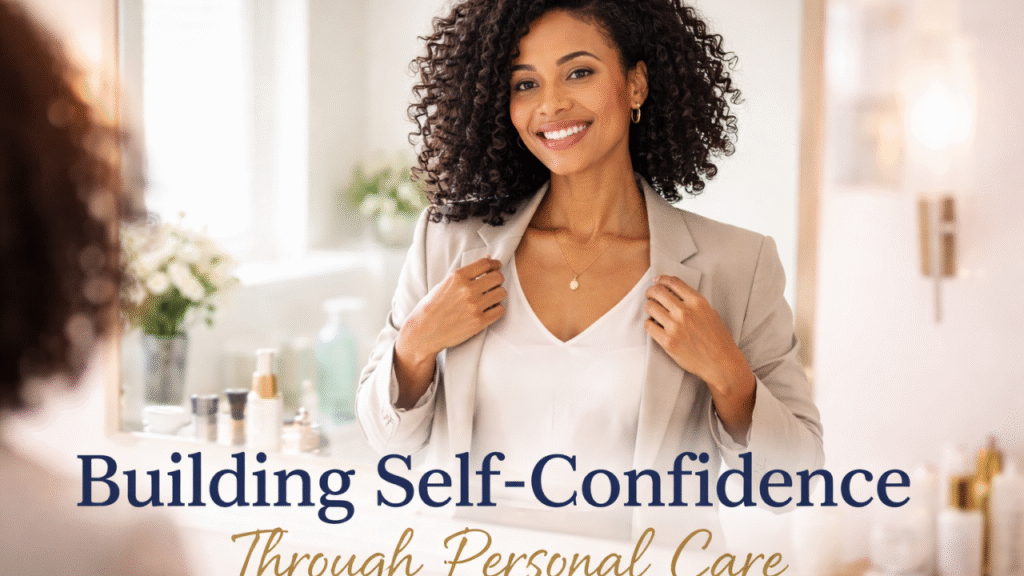
Topical products can only do so much if your internal health habits are neglected. Proper hydration, balanced nutrition, adequate sleep, and stress management form the real foundation of how your skin, hair, and body look and feel.
                              INTERNAL WELLNESS
                                      │
       ┌──────────────────────────────┼──────────────────────────────┐
       │                              │                              │
       ▼                              ▼                              ▼
[ Consistent Hydration ]      [ Balanced Nutrition ]         [ Restorative Sleep ]
  - Supports skin elasticity    - Provides structural protein  - Allows cellular repair
  - Aids natural flushing       - Delivers essential vitamins  - Reduces stress markers
Drink water consistently throughout the day to support skin hydration and physical energy. Consume a varied diet rich in vegetables, fruits, lean proteins, whole grains, and healthy fats to supply your body with the nutrients required for cellular repair.
Prioritize seven to eight hours of quality sleep each night. During deep sleep, your body repairs tissue damage, regulates hormones, and restores energy reserves. No cosmetic product can replace the restorative benefits of a good night’s sleep.
Building a Sustainable, Lifelong Routine
The most effective personal care routine is one that fits smoothly into your actual lifestyle. Start with the basics: clean skin, well-maintained teeth, protected hair, neat nails, adequate hydration, and regular sleep.
Avoid comparing your self-care habits to elaborate routines displayed online. You do not need a complicated shelf of luxury products to be well-groomed, healthy, and confident. Focus on consistency, listen to your body’s signals, and adjust your routine as your needs, age, and environment change over time.
FAQs
- What is personal care?
Personal care includes daily habits for hygiene, skincare, hair care, grooming, and overall cleanliness. - What should a basic personal care routine include?
It should include regular bathing, oral care, skincare, hair care, and clean clothing. - Do I need expensive personal care products?
No. Simple, suitable, and good-quality products can be enough. - How can I improve my daily grooming routine?
Stay consistent with hygiene, keep nails and hair neat, and choose products suited to your needs. - Why are personal care habits important?
They help you stay clean, comfortable, fresh, and confident every day.

