
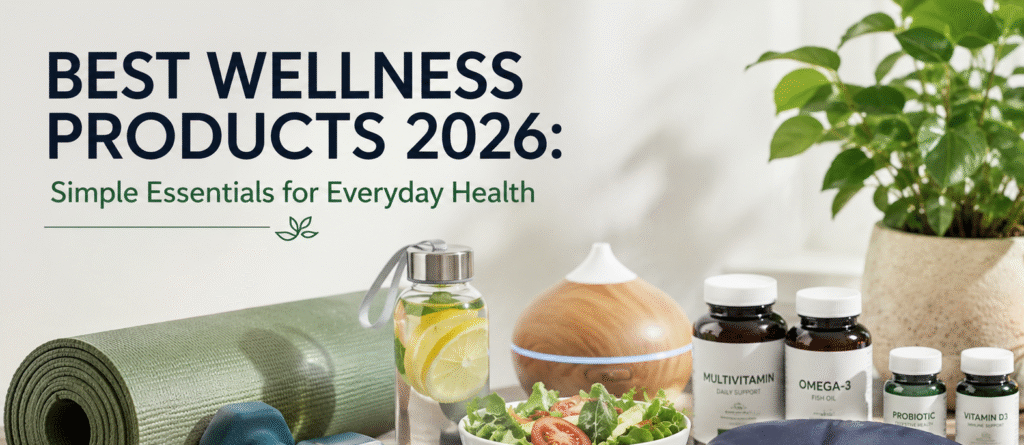
Building a healthy daily routine does not require filling a medicine cabinet with trendy supplements or buying overly complicated high-tech devices. Most of the time, the best tools are simple, durable items that help maintain fundamental habits like staying hydrated, keeping your body moving, and getting truly restorative sleep. Focusing on functional basics makes it far easier to stick to a sustainable routine that fits into a busy lifestyle without feeling like a second job.
When you take a close look at how long-term health is built, it almost always comes down to small, repeatable daily actions rather than drastic overhauls. A high-tech gadget might offer novel metrics for a week or two, but if it requires constant charging, complex app synchronization, or elaborate maintenance, it quickly turns into another source of friction. Simple items, on the other hand, sit quietly in your living space and serve a clear, immediate purpose every single day.
Core Wellness Essentials for Daily Use
Evaluating health tools based on daily utility ensures that every item you purchase actively supports your physical and mental well-being without adding clutter to your home.
| Category | Everyday Essential | Key Health Benefit | What to Look For |
|---|---|---|---|
| Hydration | Insulated Water Bottle | Keeps water cold and within reach throughout the day. | Stainless steel, leak-proof lid, dishwasher-safe build. |
| Sleep Quality | Blackout Sleep Mask & White Noise | Blocks light and sound so you drop into deeper sleep cycles. | Soft contoured shape, breathable natural fabric, adjustable strap. |
| Mobility | High-Density Foam Roller | Relieves tight muscles and keeps joints moving freely. | Firm EVA foam construction that keeps its shape over years of use. |
| Daily Movement | Non-Slip Yoga Mat & Resistance Bands | Creates a comfortable space for stretching and home workouts. | Dense rubber base, durable fabric bands that do not roll up. |
| Stress Management | Weighted Blanket or Heating Pad | Helps settle the nervous system after a long workday. | Breathable cotton cover, washable lining, even weight distribution. |
Simple Ways to Improve Everyday Health
Prioritize Consistent Hydration

Drinking enough water shapes how you feel all day, affecting everything from brain fog and energy levels to joint comfort and digestion. The easiest way to turn hydration into an automatic habit is to keep a dedicated water bottle at your desk, in your bag, or on your kitchen counter where it remains constantly visible.
A double-wall insulated bottle keeps water ice-cold for hours, making it far more inviting to drink throughout long work sessions. When your water stays cold and fresh, you naturally reach for it without needing reminders or tracking apps. If you tend to lose track of time while working on a computer, picking a bottle with clear volume marks gives a quick visual reminder of your daily progress without forcing you to log anything manually.
Beyond just carrying a bottle, think about where you spend your time. Keeping one bottle dedicated to your workstation and another near your workout gear removes the small friction points that usually lead to forgetting to drink water. Over time, taking a sip becomes as automatic as checking an email, laying a steady foundation for digestion, skin health, and baseline energy levels.
Focus on Sleep Hygiene
Good health starts with quality rest. While sleep trackers display plenty of interesting data points about light, deep, and REM stages, physically changing your actual environment does far more to improve how deeply you sleep. You cannot track your way to better rest if light leaks through your curtains or if ambient noise wakes you up every two hours.
A few basic physical items make bedtime much more restful:
- Contoured sleep masks: These block out early morning sun, streetlights, and charger LEDs without pressing uncomfortably against your eyelids or lashes.
- Breathable bedding: Switching to natural cotton, bamboo, or linen sheets helps control body temperature throughout the night, preventing the midnight wakeups caused by overheating.
- White noise machines or fan noise: A steady, neutral background sound masks sudden outdoor noises, barking dogs, or traffic that tend to pull you out of deep sleep cycles.
Taking thirty minutes to put your phone away before bed also signals to your brain that it is time to wind down. Bright displays suppress melatonin production, making it harder for your body to recognize that it is time to rest. Combining a dark, quiet room with a brief screen-free buffer leads to significantly faster sleep onset and fewer nighttime disruptions.
Support Daily Movement and Recovery
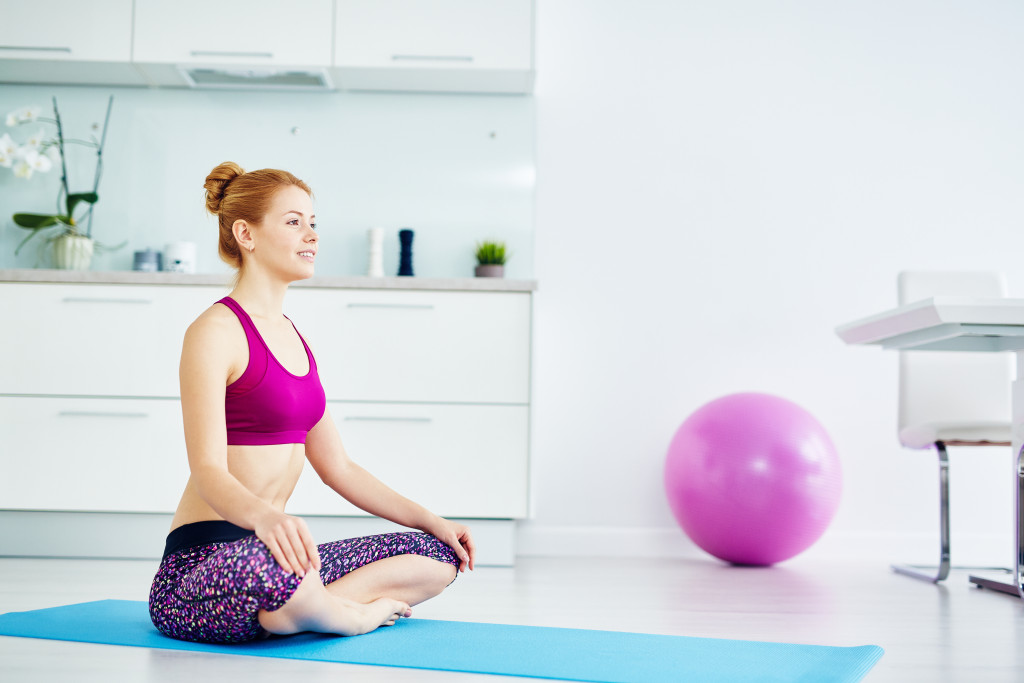
You do not need an expensive gym membership or room-sized equipment to stay strong, mobile, and resilient. A few compact tools sitting near your living area let you squeeze in mobility work whenever you have ten or fifteen free minutes between tasks.
Keep these simple tools accessible near your living space:
- A dense yoga mat: Look for good cushioning and a sticky grip to support daily floor stretches, core exercises, or light mobility work without slipping on hardwood floors.
- Fabric resistance bands: Wide fabric bands stay flat against your legs during strength work, unlike thin rubber bands that pinch skin and roll up during hip bridges or squats.
- A firm foam roller: Rolling out a tight upper back, hamstrings, or calves for five minutes after sitting at a desk undoes the physical tension brought on by long hours of static posture.
When gear is lightweight and simple to pull out, taking short movement breaks quickly becomes a regular part of your daily routine. You do not need to prepare for a full one-hour workout to benefit your body. Five minutes of rolling out your thoracic spine or doing controlled mobility stretches on a comfortable mat can completely reset your posture and alleviate lower back stiffness before it turns into chronic pain.
Practical Advice for Choosing Wellness Tools
Pick Versatile, Well-Made Gear
When picking out new health gear, look for items that serve multiple distinct purposes and stand up to daily wear and tear. Single-use gadgets usually end up gathering dust in a dark closet after a couple of weeks of novelty wear off.
A sturdy yoga mat handles mobility work, core exercises, balance training, and gentle night stretches equally well. A set of fabric resistance bands works for pre-workout warmups, targeted strength training, physical therapy exercises, and simple travel routines. Stick to durable materials like food-grade stainless steel, natural dense rubber, and high-density EVA foam so your gear lasts through years of consistent daily use.
When an item is built well, you never have to second-guess whether it will hold up during a workout or leak inside your backpack. High-quality basics cost a bit more upfront, but they save money over time by eliminating the need for frequent replacements.
Match Gear to Your Real Habits
It is easy to buy wellness products for a hypothetical daily schedule that you do not actually follow in real life. If you know you dislike managing device applications, tracking steps, or keeping electronics charged, skip the smart gadgets entirely. Stick to low-friction, analog items like a solid insulated water bottle, a simple paper journal, or a standard foam roller instead.
The best tools are always the ones you actually enjoy using every single day without feeling forced. Start with one or two basic items that address your most immediate daily needs, build a consistent habit around them over a few weeks, and only add new gear when your routine genuinely requires it. Sustainable wellness is built on consistency, and keeping your tools simple is the easiest way to make that consistency effortless.
FAQs
1. What are health and wellness products?
They are everyday products designed to support areas such as fitness, nutrition, sleep, personal care, and general well-being.
2. How do I choose the right wellness products?
Consider your needs, product quality, features, price, reviews, and how easily the product fits into your daily routine.
3. Are expensive wellness products better?
Not always. A simple, reliable product that you use regularly can offer better value than an expensive product with unnecessary features.
4. Can wellness products replace healthy habits?
No. They can support healthy routines, but they cannot replace balanced nutrition, regular activity, adequate sleep, or professional healthcare when needed.
5. Should I check reviews before buying?
Yes. Read recent reviews and look for repeated comments about quality, durability, performance, and ease of use before making a decision.

