

Taking care of your health does not always require a complicated routine or a long list of expensive products. In many cases, small and practical choices can make everyday life more comfortable and help you stay consistent with healthy habits.
The health and wellness market has grown rapidly, and there are now countless products designed to support exercise, sleep, nutrition, personal care, relaxation, and daily comfort. While having more choices can be useful, it can also make shopping confusing. Some products are genuinely helpful, while others may look appealing without offering much practical value.
The best way to choose wellness products is to start with your own routine. Think about what you already do, what you struggle to maintain, and which small changes could make things easier. A useful product should solve a real problem rather than simply take up space in your home.
Why Practical Wellness Products Matter
Wellness products work best when they support habits you are already willing to build.
For example, carrying a reusable water bottle may make it easier to keep water nearby throughout the day. A comfortable exercise mat can remove one small barrier to working out at home. Food containers can make it easier to prepare meals in advance.
These products do not make someone healthy by themselves. Their value comes from making good habits more convenient.
That is why practicality should be one of the first things you consider when shopping.
Reusable Water Bottles
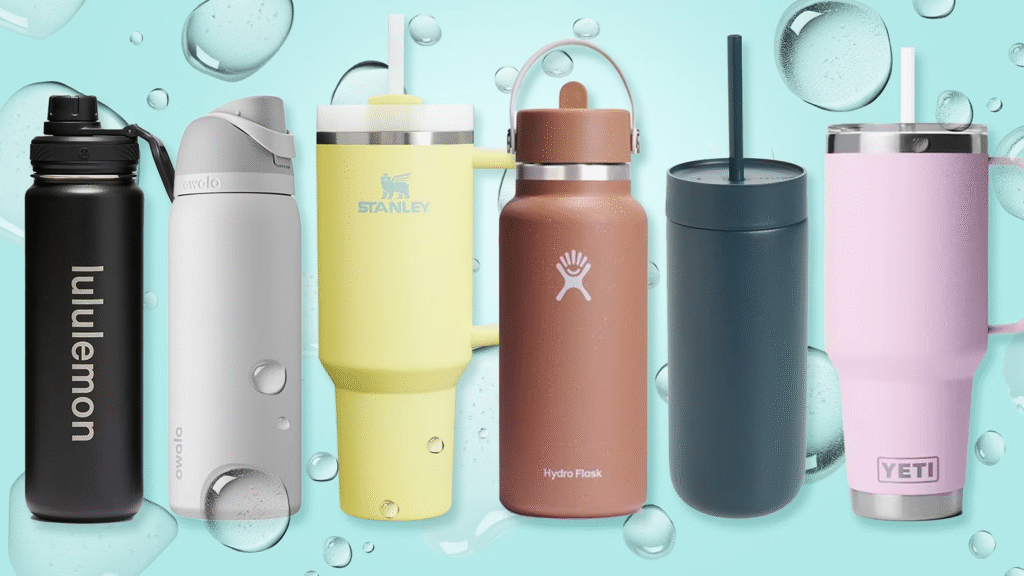
A reusable water bottle is one of the simplest wellness products for everyday use.
Keeping water nearby can make hydration more convenient at work, college, during travel, or while exercising. When choosing a bottle, think about its size, weight, material, leak resistance, and cleaning requirements.
Insulated bottles may be useful if you prefer your drinks to stay cool for longer. A lightweight bottle may be better if you carry it around all day.
There is no need to buy the most expensive option. The best bottle is one that fits your routine and is comfortable enough to use regularly.
Fitness Trackers
Fitness trackers can help people become more aware of their daily movement.
Depending on the device, features may include step tracking, workout information, heart-rate measurements, sleep tracking, and other activity data.
These features can be useful for setting goals and noticing patterns. For example, someone who spends most of the day sitting might become more aware of how little they move and decide to take more regular walks.
However, fitness trackers should not be treated as perfect sources of health information. Measurements can vary, and daily numbers do not tell the complete story.
Use the information as a general guide rather than becoming overly focused on reaching a particular number every day.
Exercise Mats
An exercise mat can make home workouts more comfortable.
It can be used for stretching, yoga, mobility exercises, bodyweight workouts, and other activities. Because it is easy to store, it can be a practical choice for people who do not have room for large fitness equipment.
When choosing a mat, consider its thickness, grip, size, material, and ease of cleaning.
If you mainly stretch or practice yoga, comfort and grip may be important. If you perform more active exercises, you may prefer a mat that provides enough stability and cushioning.
Resistance Bands

Resistance bands are another convenient option for home exercise.
They are lightweight, easy to store, and can be used for many different movements. Different resistance levels allow users to adjust the difficulty of their workouts.
They can also be useful while traveling because they take up very little space.
Before using a resistance band, check it for cracks, tears, or other signs of damage. Using proper technique is also important. Simple equipment can still cause problems when used incorrectly.
Sleep and Bedroom Products
Sleep is an important part of overall well-being, and your bedroom environment can influence comfort.
Depending on your needs, products such as supportive pillows, comfortable bedding, eye masks, blackout curtains, or earplugs may be useful.
The key is to identify the problem first.
If outside light makes it difficult to sleep, blackout curtains may help create a darker environment. If noise is an issue, earplugs might be useful. If your pillow is uncomfortable, replacing it may make more sense than buying several unrelated sleep products.
Wellness products should support healthy sleep habits, not replace them.
Meal Preparation Tools
Preparing meals at home can become easier when the right tools are available.
Useful products may include food containers, blenders, food processors, kitchen scales, cutting boards, or cooking appliances.
Meal containers are especially useful for people who like preparing food ahead of time. A blender can help with smoothies, soups, and sauces, while a food processor may reduce preparation time for certain recipes.
Before buying a kitchen appliance, consider how often you will use it.
An appliance that saves you time every week can be a good investment. One that requires complicated cleaning and rarely gets used may not be worth the money.
Personal Care Essentials
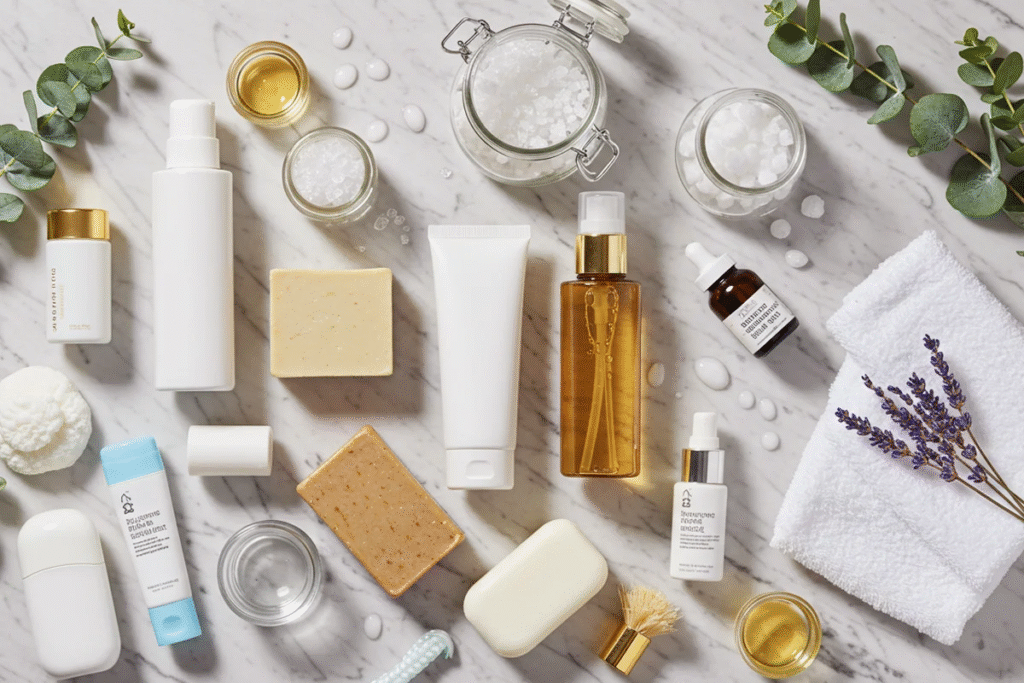
Personal care is another part of everyday wellness.
Basic products such as sunscreen, moisturizer, cleansers, oral-care products, and grooming tools can help maintain a consistent routine.
You do not need a large collection of products.
Choose items that suit your personal needs and read the instructions carefully. If you have sensitive skin or a specific concern, it may be useful to seek professional advice instead of trying numerous products at random.
Be cautious about products that promise dramatic results in a very short period. Attractive marketing does not necessarily mean a product will work the same way for everyone.
How to Choose the Right Wellness Product
Choosing a wellness product becomes easier when you start with a specific problem.
Ask yourself what you are trying to improve.
Do you want to exercise more often? Sleep more comfortably? Prepare meals faster? Make your workspace more comfortable? Stay organized?
Be Careful With Wellness Claims

The wellness industry includes products that make impressive promises.
Some claim to improve energy, support weight loss, transform sleep, or provide other major benefits.
It is important to look at these claims critically.
A product’s popularity does not prove that it works, and testimonials are not the same as reliable evidence.
For products that could affect a medical condition or interact with medication, professional healthcare advice is much more appropriate than relying on advertising or social media recommendations.
Avoid Buying More Than You Need
One of the easiest mistakes is purchasing too many wellness products at once.
It can feel motivating to buy new equipment, supplements, gadgets, and accessories when starting a healthier routine. But enthusiasm can fade quickly.
Instead, begin with one or two products that solve genuine problems.
Use them consistently and see whether they actually improve your routine.
If they do, you can decide whether another purchase makes sense.
FAQs
1. What are health and wellness products?
Health and wellness products are everyday items that can support habits related to fitness, nutrition, sleep, personal care, and overall well-being.
2. How do I choose the right wellness products?
Start with your specific needs, then compare quality, price, features, reviews, durability, and ease of use before buying.
3. Are expensive wellness products better?
Not necessarily. A simple, reliable product that fits your routine can be more useful than an expensive product with unnecessary features.
4. Can wellness products improve healthy habits?
Yes, they can make healthy routines more convenient, but the products themselves cannot replace consistent habits and responsible lifestyle choices.
5. Should I trust health claims made by wellness products?
Be cautious with strong claims. Check reliable information and, for products related to medical conditions or treatments, consult a qualified healthcare professional.

