

Personal care does not have to mean following a complicated routine or buying a shelf full of products. In everyday life, the basics often matter most. Keeping your body clean, looking after your skin and hair, getting enough rest, staying active, and paying attention to small changes can all make a noticeable difference.
The best personal care routine is one that fits naturally into your day. If a routine takes too much time, costs too much, or feels difficult to maintain, you are less likely to stick with it. Simple habits that you can repeat consistently are usually more useful than an elaborate routine that lasts only a few days.
Whether you are building a routine from scratch or trying to improve your current habits, these practical tips can help you make personal care a more manageable part of daily life.
Start With the Basics
Good personal care begins with simple hygiene.
Regular bathing or showering, washing your hands, brushing your teeth, changing clothes, and keeping your nails clean are everyday habits that should not be overlooked. These basics help you feel fresh and comfortable throughout the day.
Handwashing is particularly important before eating, after using the restroom, and after touching potentially dirty surfaces. When soap and water are unavailable, an appropriate hand sanitizer can be useful when available.
Personal hygiene does not need to be complicated. The goal is consistency rather than perfection.
Build a Simple Skincare Routine
Skincare can quickly become confusing because there are so many products available. You do not necessarily need a long list of creams, serums, and treatments.
A simple routine can start with three basic steps: cleansing, moisturizing, and protecting your skin from excessive sun exposure.
Choose a gentle cleanser that suits your skin and avoid washing your face excessively. After cleansing, a moisturizer can help maintain the skin’s natural barrier.
During the daytime, sun protection is also important. A broad-spectrum sunscreen can help protect exposed skin from ultraviolet radiation. Follow the product’s directions for application and reapplication.
If your skin reacts badly to a product, stop using it and consider speaking with a qualified healthcare professional or dermatologist.
Take Care of Your Hair

Healthy-looking hair starts with a routine that suits your hair type and lifestyle.
Wash your hair as often as needed rather than following a fixed schedule simply because someone else does. People with oily scalps may need more frequent washing, while others may prefer less frequent washing.
Be gentle when brushing wet hair because it can be more prone to breakage. Avoid excessive heat styling when possible, and use suitable heat protection if you regularly use heated styling tools.
Your scalp deserves attention too. Persistent itching, heavy flaking, sudden hair loss, or other unusual changes should not simply be ignored. If a problem continues, professional advice can help identify the cause.
Do Not Forget Oral Care
Taking care of your teeth and gums is one of the most important parts of personal care.
Brush your teeth regularly with fluoride toothpaste and clean between your teeth as recommended by dental professionals. Regular dental checkups can also help identify problems before they become more serious.
Try not to rely on breath fresheners or whitening products as substitutes for basic oral hygiene. A clean mouth is about more than having fresh breath.
If you experience ongoing tooth pain, bleeding gums, swelling, or sensitivity, make an appointment with a dentist rather than trying to manage the problem indefinitely at home.
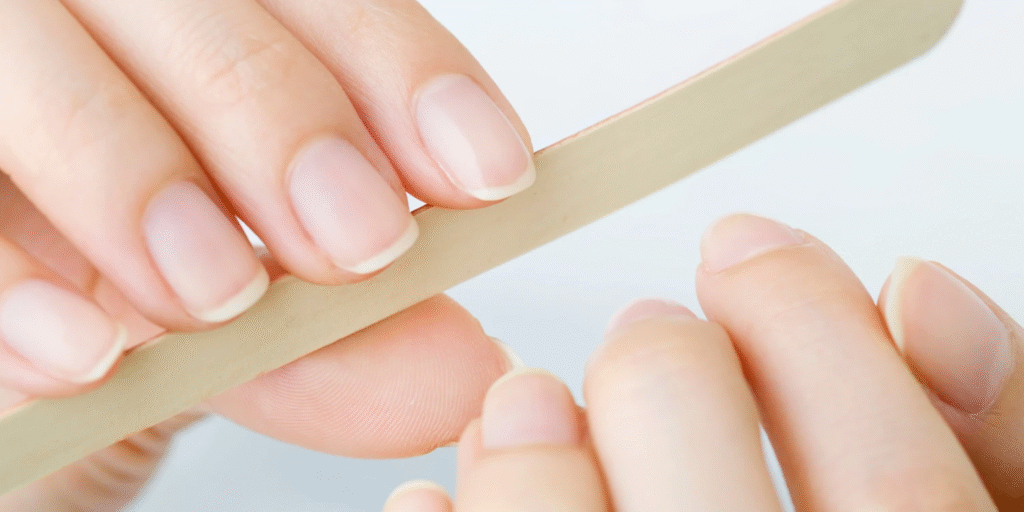
Hands come into contact with countless surfaces throughout the day, so keeping them clean is a simple but valuable habit.
Keep your nails trimmed and clean. Avoid biting your nails or cutting cuticles aggressively, as this can damage the surrounding skin.
If you use nail polish or other cosmetic products, give your nails occasional breaks if they become weak, irritated, or discolored. Do not share personal nail tools without proper cleaning.
Small habits like these can make a noticeable difference in everyday hygiene.
Pay Attention to Body Odor
Body odor is a normal part of being human, but regular hygiene can help manage it.
Showering, changing clothes regularly, and washing areas that tend to sweat more can help. Deodorants and antiperspirants can also be useful depending on your needs.
Wear clean, breathable clothing when possible, particularly during hot weather or physical activity. Socks should be changed regularly, and shoes should be allowed to dry properly between uses.
If you notice a sudden or unusual change in body odor that does not improve with normal hygiene, it may be worth discussing with a healthcare professional.
Choose Personal Care Products Carefully
More products do not automatically mean better personal care.
Before purchasing something, think about why you want it and whether you actually need it. Read the ingredient list and product instructions, especially if you have sensitive skin or known allergies.
Avoid assuming that an expensive product will always work better than a less expensive alternative. Sometimes a simple product with fewer ingredients can be perfectly suitable.
When trying a new skincare or cosmetic product, following the manufacturer’s directions and testing cautiously can help reduce the chance of an unwanted reaction.
Make Sleep Part of Your Routine
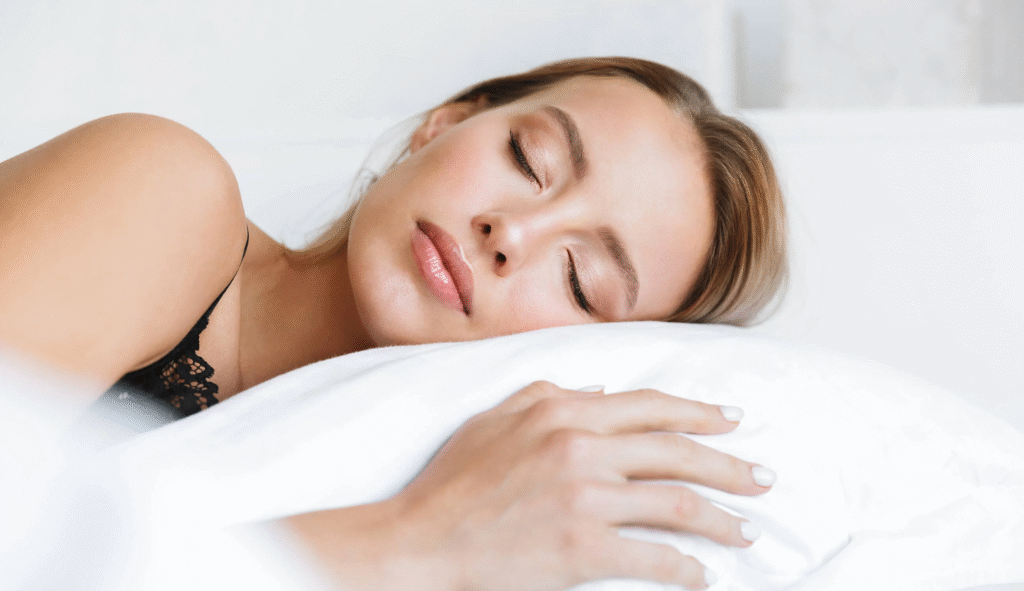
Personal care is not only about appearance and hygiene. Rest is equally important.
Most adults need around seven or more hours of sleep each night, although individual needs vary. A consistent sleep schedule can make it easier to get adequate rest.
Try keeping your bedroom comfortable, limiting stimulating activities close to bedtime, and maintaining a relaxing nighttime routine.
If you regularly struggle with sleep despite making healthy changes, consider discussing the problem with a healthcare professional.
Stay Physically Active
Movement is another important part of everyday self-care.
You do not need to spend hours at a gym to become more active. Walking, cycling, stretching, dancing, household activities, or recreational sports can all contribute to a more active lifestyle.
If you spend much of the day sitting, take short movement breaks whenever practical. Small changes can add up over time.
Choose activities that you actually enjoy. You are more likely to maintain an exercise habit when it feels like a normal part of your lifestyle rather than a punishment.
Eat and Drink With Your Routine in Mind
Personal care also includes paying attention to what you consume.
Aim for a varied diet that includes fruits, vegetables, whole grains, protein sources, and other nutritious foods that suit your dietary needs. Try to limit excessive amounts of highly processed foods, added sugars, and salt.
Water is also important. Keep a bottle nearby if it helps you remember to drink regularly.
You do not need to follow every food trend to take care of yourself. A balanced, sustainable approach is generally easier to maintain than extreme restrictions.
Give Yourself Time to Relax

Daily responsibilities can leave little time for yourself. Even so, taking short breaks can be valuable.
Read a few pages of a book, listen to music, take a walk, sit quietly with a cup of tea, or simply step away from your screen for a while.
Relaxation looks different for everyone. What matters is finding something that genuinely helps you slow down.
Self-care does not have to involve expensive treatments or elaborate routines. Sometimes ten quiet minutes can be enough to reset your mood and energy.
Keep Your Personal Items Personal
Some personal care items should not be shared.
Toothbrushes, razors, towels, certain cosmetics, and other items that come into direct contact with your body can carry germs or transfer skin-related problems.
Clean reusable items according to their instructions and replace products when they are worn out or have passed their recommended use period.
Keeping personal items separate is a small habit that can make everyday hygiene safer.
Create a Routine You Can Actually Maintain
One of the biggest mistakes people make with personal care is trying to change everything at once.
Instead, start with a few habits. For example, focus on brushing and flossing consistently, following a basic skincare routine, improving your sleep schedule, and becoming more active.
Once those habits feel normal, you can gradually add others.
A useful routine should fit your lifestyle. If you work long hours, a five-minute morning routine may be more realistic than a complicated process that takes half an hour.
Consistency matters more than perfection.
Know When to Seek Professional Help
Personal care routines can support general wellbeing, but they are not a replacement for professional medical or dental care.
Persistent skin problems, unexplained hair loss, ongoing dental symptoms, unusual changes in your body, or other concerns should be evaluated by an appropriate professional.
It is also important to follow product instructions and avoid experimenting with strong treatments simply because they are popular online.
When something does not feel right, getting reliable advice is usually better than guessing.
FAQ’s
1. What are the basics of personal care?
Basic personal care includes good hygiene, oral care, skincare, hair care, clean clothing, proper sleep, and regular physical activity.
2. How can I create a simple personal care routine?
Start with essential habits such as bathing, brushing your teeth, caring for your skin, staying hydrated, and getting enough rest.
3. Do I need expensive personal care products?
No. Effective personal care does not require expensive products. Choose products based on your individual needs, ingredients, and suitability.
4. How often should I change my personal care routine?
You do not need to change it frequently. Adjust your routine when your needs, lifestyle, environment, or skin and hair condition changes.
5. Why is consistency important in personal care?
Regular, simple habits are easier to maintain and can provide better long-term results than complicated routines followed occasionally.

