

Personal care is rarely about filling bathroom shelves with luxury products or committing to an hour-long, multi-step regimen every morning and night. For the vast majority of people, effective personal care relies on simple, repeatable daily choices that leave you feeling clean, healthy, and comfortable in your own skin.
A sustainable approach prioritizes core physical needs—hygiene, skin integrity, oral health, hair maintenance, sun protection, and proper rest—over shifting cosmetic trends. By focusing on practical fundamentals rather than complex routines, you can build a daily care schedule that is effortless to maintain, cost-effective, and genuinely effective.
Key Pillars of Daily Personal Care
Managing personal care becomes far simpler when you organize your daily efforts into essential physiological categories. Focus on small, high-impact habits within each domain to achieve consistent, long-term health.
| Care Area | Primary Function | Core Daily Actions | Essential Items |
|---|---|---|---|
| Basic Hygiene | Removes dirt, sweat, and microbes | Daily bathing, targeted handwashing, clean attire | Gentle body wash, clean towels |
| Skin Care | Maintains skin barrier integrity | Gentle cleansing, hydrating, daily UV protection | Mild cleanser, moisturizer, SPF 30+ |
| Sun Protection | Prevents UV damage and skin aging | Apply broad-spectrum sunscreen, seek shade | Sunscreen, wide-brimmed hat |
| Hair & Scalp | Clears sebum buildup without stripping | Regular scalp cleansing, gentle detangling | Shampoo, conditioner, wide-tooth comb |
| Oral Hygiene | Prevents plaque, decay, and gum issues | Brushing twice daily, interdental flossing | Fluoride toothpaste, soft toothbrush |
| Body Care | Supports skin barrier on limbs and torso | Moisturizing after showers, clean shaving | Unscented lotion, clean razor blades |
| Tool Cleanliness | Reduces bacterial transfer to body | Regular washing of towels, pillowcases, tools | Laundry detergent, sanitizing spray |
| Nail Hygiene | Prevents bacterial accumulation | Trimming nails straight, keeping hands dry | Clean nail clippers, hand cream |
| Rest & Recovery | Facilitates cellular repair and reset | Consistent sleep schedule, relaxing wind-down | Comfortable bedding, dark room |
| Hydration | Supports skin elasticity and physical function | Regular water intake throughout the day | Reusable water bottle |
Basic Daily Hygiene

Good hygiene serves as the baseline for overall body health. Throughout any given day, the skin accumulates dead skin cells, environmental pollutants, perspiration, and naturally occurring oils. Allowing these elements to sit indefinitely can lead to pore blockages, skin irritation, and unpleasant body odor.
Showering or bathing daily—or immediately following heavy exercise—clears these accumulations. Pay extra attention to areas with a high density of sweat glands, such as the underarms, groin, and feet.
Handwashing remains one of the most critical hygiene habits for preventing the spread of illness. Wash your hands thoroughly with soap and clean water for at least twenty seconds:
- After using the restroom
- Before preparing or eating food
- After touching shared public surfaces
- After blowing your nose, coughing, or sneezing
You do not need harsh antibacterial soaps for daily use at home. A simple, mild body cleanser paired with thorough rinsing is fully sufficient for everyday cleanliness.
Streamlined Skincare
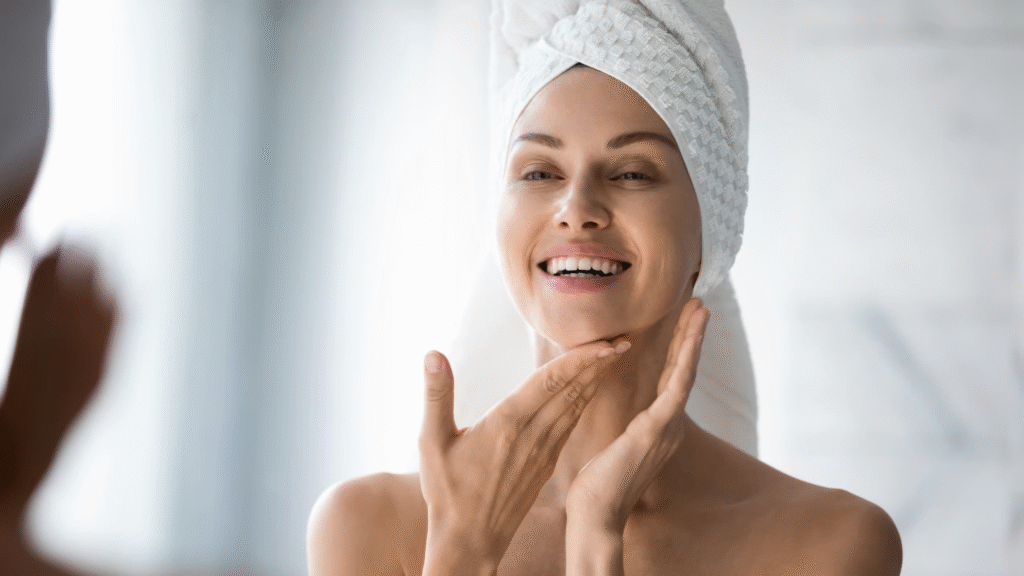
The skincare market frequently promotes elaborate routines featuring dozens of toners, serums, and treatments. However, over-applying active ingredients can compromise the delicate stratum corneum—the outermost layer of the skin—leading to chronic redness, dryness, and breakouts.
A basic, functional skincare routine requires only three core steps:
┌─────────────────────────────────────────┐
│              MORNING ROUTINE            │
│  1. Gentle Cleanser (or Water Rinse)   │
│  2. Hydrating Moisturizer               │
│  3. Broad-Spectrum Sunscreen (SPF 30+) │
└─────────────────────────────────────────┘
                    │
                    ▼
┌─────────────────────────────────────────┐
│              EVENING ROUTINE            │
│  1. Gentle Cleanser (Removes dirt/SPF)  │
│  2. Hydrating Moisturizer               │
└─────────────────────────────────────────┘
- Cleansing: A non-stripping cleanser removes surface oils and debris without leaving your face feeling tight or dry.
- Moisturization: Moisturizers trap hydration within the skin. If you have oily skin, lightweight gel formulas work best; if you have dry skin, richer creams provide better barrier support.
- Patience: When introducing a new skincare product, test it for several weeks before adding another. If a reaction occurs, you will easily know which item caused the issue.
Daily Sun Protection
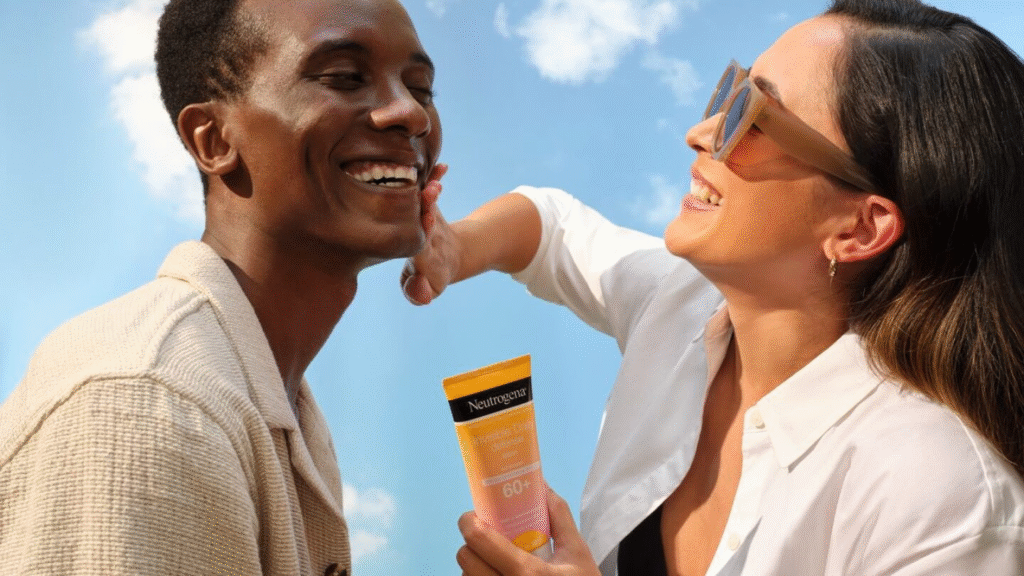
Sun exposure is the leading environmental factor in premature skin aging, hyperpigmentation, and skin cell mutation. Ultraviolet radiation penetrates cloud cover and glass, meaning sun protection is necessary regardless of whether it is sunny or overcast.
Apply a broad-spectrum sunscreen with an SPF rating of 30 or higher to all exposed skin—including the face, neck, ears, and tops of the hands—every morning. If you spend extended periods outdoors, swim, or sweat heavily, reapply every two hours according to the product instructions. Physical barriers like wide-brimmed hats, UV-blocking sunglasses, and tightly woven clothing offer additional protection during peak solar hours.
Practical Hair and Scalp Care
Healthy hair originates at the scalp. The frequency with which you should wash your hair depends entirely on your scalp’s oil production, hair texture, and daily activity levels:
- Fine or Oily Hair: May benefit from washing every day or every other day to prevent oil accumulation.
- Coarse, Curly, or Dry Hair: Often fares better with less frequent washing, such as once or twice a week, to preserve natural moisture.
Use a shampoo suited to your scalp type and apply conditioner primarily to the ends of the hair shafts, where moisture depletion is most common. Handle wet hair with care, as hair strands are most vulnerable to snapping when saturated. Use a wide-tooth comb or specialized detangling brush, and minimize the high-heat settings on hairdryers and styling irons.
Essential Oral Hygiene
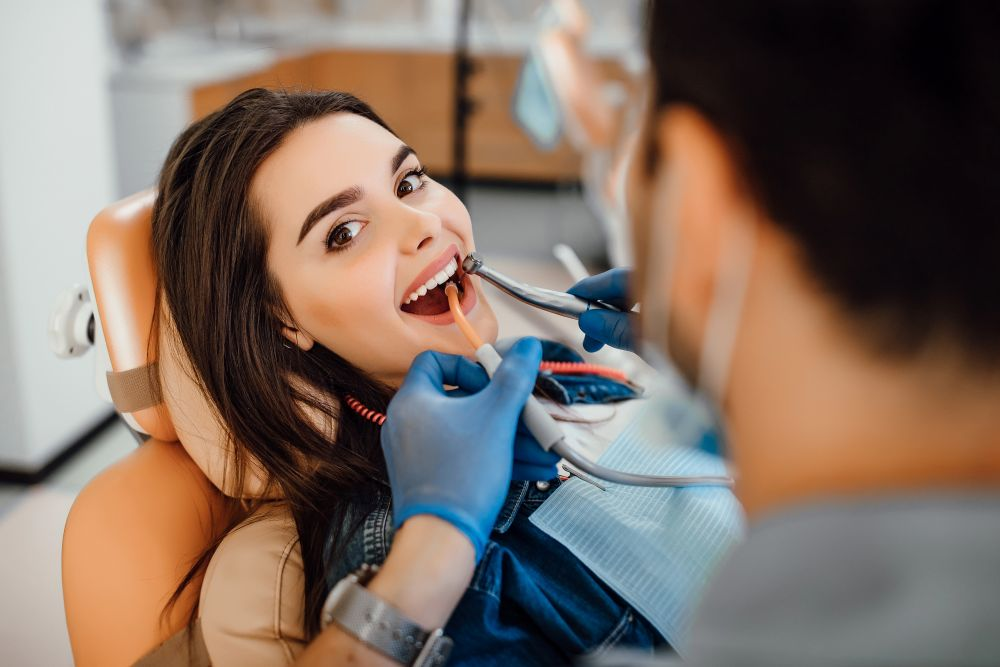
Oral health directly impacts your entire body. Plaque—a sticky film of bacteria—constantly forms on teeth. If not removed regularly, it hardens into tartar, leading to tooth decay and gum inflammation.
Maintain a straightforward oral care habit twice a day:
- Brush for Two Minutes: Use a soft-bristle toothbrush angled at 45 degrees toward the gumline with fluoride toothpaste. Soft bristles clean effectively without eroding protective enamel or damaging soft gum tissue.
- Clean Between the Teeth: Use dental floss, interdental brushes, or a water flosser once daily to clear trapped food particles and plaque from gaps a toothbrush cannot reach.
- Replace Tools Regularly: Swap out your toothbrush or electric brush head every three months, or sooner if the bristles flare outward.
Thoughtful Body Care and Grooming
Body care involves keeping the skin on your limbs and torso properly hydrated and comfortable. Post-shower application of a simple body lotion locks in residual moisture, preventing the flaking and itchiness often caused by hot water or dry winter air.
When shaving or grooming body hair:
- Always use a sharp, clean razor blade. Dull blades pull hair and cause microscopic tears in the skin.
- Use a lubricating cream or gel to reduce friction.
- Shave in the direction of hair growth to minimize razor burn and ingrown hairs.
- Allow irritated skin time to calm down before shaving the same area again.
Cleanliness of Personal Items
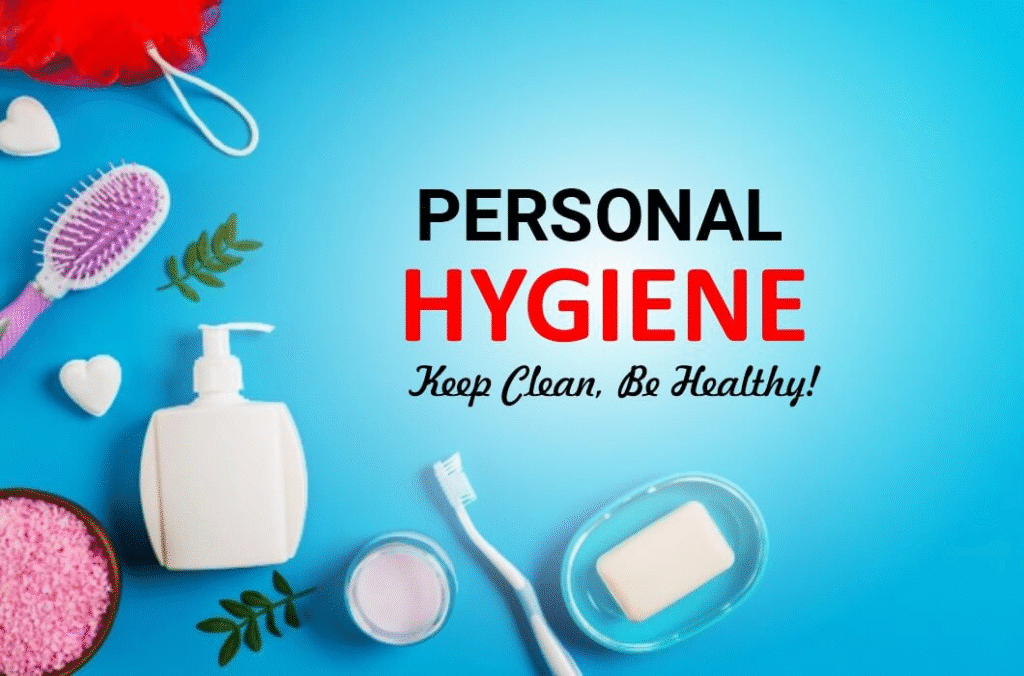
Applying clean products to dirty accessories defeats the purpose of a personal care routine. Environmental bacteria, oil, and dead skin transfer rapidly onto the tools you use every day.
Establish a regular cleaning schedule for common items:
- Towels: Hang towels in a well-ventilated space to dry completely between uses, and wash them after three to four uses.
- Pillowcases: Launder pillowcases weekly to prevent built-up hair oils and sweat from transferring back onto your facial skin overnight.
- Grooming Tools: Clean hairbrushes, nail clippers, and makeup brushes regularly with warm water and soap to remove trapped residue and bacteria.
Hand and Nail Maintenance
Hands are constantly exposed to water, soaps, cleaning chemicals, and weather changes, making them susceptible to severe dryness and cracked skin.
Keep nails trimmed straight across and smooth any rough edges with a file to prevent snagging. Clean beneath the nails during handwashing using a soft nail brush. If your hands dry out from frequent washing, keep a tube of rich hand cream near your sink or desk to restore lost moisture immediately.
Rest, Hydration, and Overall Recovery
No cosmetic product can replace the restorative effects of adequate sleep and hydration. When you sleep, your body undergoes critical cellular repair, regulates stress hormones, and balances tissue inflammation.
Aim for seven to eight hours of quality sleep per night. Establish a consistent evening routine that signals to your mind that it is time to rest: turn down bright lights, put away electronic screens an hour before bed, and keep your sleeping space cool and dark.
Similarly, internal hydration directly affects skin elasticity and bodily functions. Keep a reusable water bottle nearby throughout the day to encourage regular fluid intake, adjusting your volume based on climate and physical exertion.
How to Evaluate Personal Care Products
When selecting new products, cut through marketing promises by focusing on practical criteria:
- Ingredients Over Advertising: Look past front-label claims like “miracle” or “instant.” Read the ingredient list to ensure the formula contains proven basics like glycerin, ceramides, or broad-spectrum sunscreen filters.
- Fragrance Sensitivity: Fragrance is one of the most common causes of contact dermatitis. If you have reactive skin, choose unfragranced options.
- Product Simplicity: Multi-purpose items—such as a moisturizing sunscreen—save time and reduce the number of individual formulas applied to your skin.
Building a Habit That Lasts
The primary goal of personal care is to support your health in a way that feels natural and unsustainable to stop. Pick three or four foundational habits—such as brushing your teeth twice daily, washing your face with a mild cleanser, applying sunscreen, and drinking enough water—and practice them consistently. Once those actions become second nature, you can carefully evaluate whether adding anything else genuinely improves your daily comfort.
Prioritize consistency, keep your routine simple, and focus on choices that help you feel clean, rested, and ready for the day ahead.
Frequently Asked Questions
1. What are the basics of personal care?
Good hygiene, skincare, oral care, hair care, and regular grooming are the basics.
2. How can I improve my daily personal care routine?
Keep your routine simple and focus on habits you can follow consistently.
3. Is sunscreen important for daily care?
Yes, sunscreen can help protect exposed skin from harmful UV radiation.
4. How often should I take care of my hair?
It depends on your hair type, scalp condition, and daily activities.
5. Do I need expensive personal care products?
No. Effective personal care can be simple and affordable.

