Let’s be honest: modern self-care has a branding problem. Social feeds are flooded with 12-step skincare rituals, shelfies packed with hundred-dollar serums, and rigid grooming regimens that turn taking care of yourself into a costly, time-consuming second job.
Real self-care isn’t about luxury products or hours spent in front of a bathroom mirror. The most effective approach is refreshingly low-maintenance, surprisingly budget-friendly, and easy to fit into a busy schedule.
At its core, personal care is just the daily practice of maintaining your physical body and mental well-being—so you wake up feeling clean, comfortable, and confident in your own skin.
Why the Basics Matter More Than You Think
Investing a few minutes a day in fundamental hygiene and wellness pays off long before you ever look in a mirror:
- Protects Physical Health: Simple acts like thorough handwashing, daily flossing, and regular bathing remove bacteria, pollutants, and allergens before they cause infections or skin issues.
- Gives You a Confidence Lift: Feeling fresh and presentable subtly changes how you carry yourself in meetings, social settings, and everyday interactions.
- Anchors Your Daily Routine: A quiet 10-minute morning or evening ritual provides steady bookends to your day, easing the shift between work mode and downtime.
- Offers a Mental Pause: Taking time to care for your body forces you to step away from screens, check in with yourself, and pay attention to how you’re actually feeling.
Keep Your Daily Hygiene Routine Simple
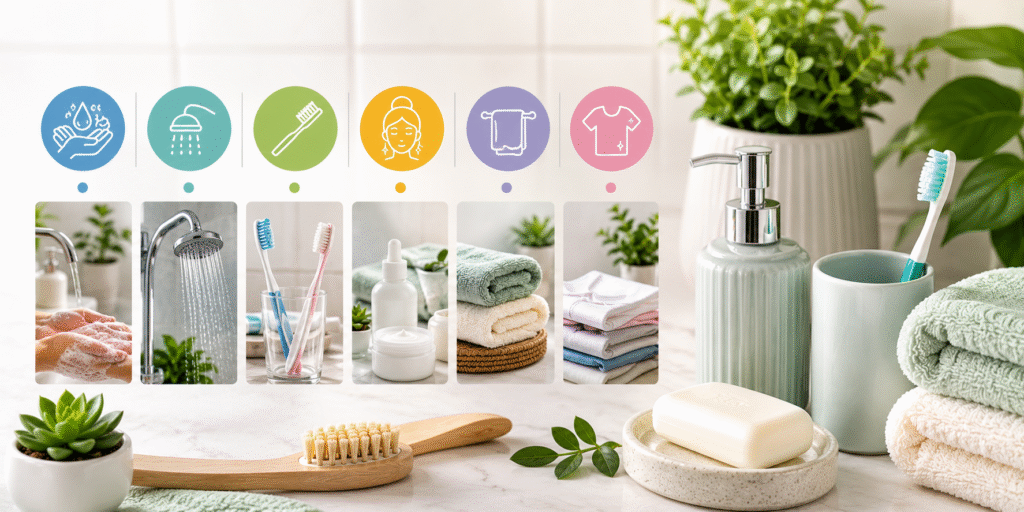
Good hygiene is the foundation of everyday health. You don’t need a cabinet overflowing with specialty products; a few well-chosen essentials get the job done right.
                    THE DAILY HYGIENE STACK
┌──────────────────────────────────────────────────────────────┐
│ DAILY ESSENTIALS --> Regular shower, deodorant, fresh clothes │
├──────────────────────────────────────────────────────────────┤
│ HAND CLEANLINESS --> Wash before eating, post-transit & WC   │
├──────────────────────────────────────────────────────────────┤
│ MAINTENANCE     --> Clean towels, fresh razors, clean brushes │
└──────────────────────────────────────────────────────────────┘
Shower regularly using a gentle, non-drying soap—especially after working up a sweat. Make thorough handwashing standard practice: use warm water and soap for 20 seconds before eating, after using the restroom, after handling pets, or as soon as you step inside from public transit.
Skincare: The Power of a Streamlined Routine
Your skin is a protective shield against the outside world. Keeping it healthy doesn’t require complex layers of products; dermatologists almost universally agree that three core steps are all most people need:
- Cleanse: Wash with a mild, fragrance-free cleanser twice a day to remove oil, sweat, and grime without stripping away natural oils.
- Moisturize: Apply a hydrating moisturizer tailored to your skin type—lightweight gels for oilier skin, richer lotions for dry skin—to protect your natural moisture barrier.
- Sun Protection: Apply a broad-spectrum sunscreen (SPF 30 or higher) every morning on exposed skin, even on overcast days or when working near windows.
When trying a new product, test one item at a time for a couple of weeks. That way, if your skin breaks out or flares up, you’ll know exactly which product caused it. If you face persistent issues like painful acne, severe redness, or unusual spots, skip the viral internet fixes and talk to a qualified dermatologist.
Uncomplicate Your Hair and Scalp Care
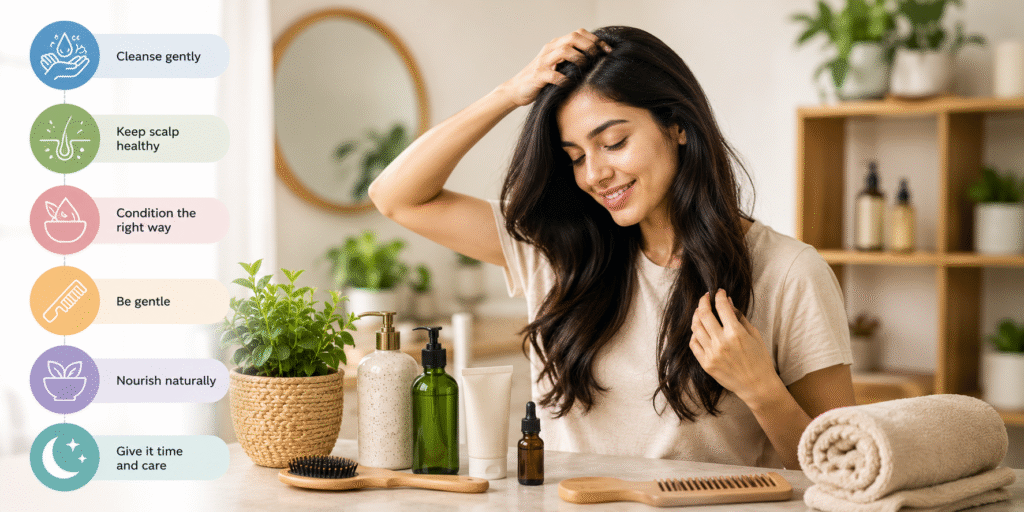
Healthy hair starts at the root. Scalp oil production, hair texture, and length vary wildly from person to person, so don’t feel forced to follow arbitrary rules about how often to wash.
- Match products to your scalp: Pick shampoos and conditioners formulated for your specific scalp conditions (whether dry, oily, sensitive, or prone to dandruff).
- Use heat protection: If blow dryers or straighteners are part of your routine, a quick spray of heat protectant minimizes breakage and dryness.
- Keep styling tools clean: Hairbrushes, combs, and clips accumulate oil, dust, and product residue over time. Give them a quick rinse in warm water with a drop of shampoo every few weeks.
Prioritize Your Oral Health
Brushing and flossing aren’t just about keeping your smile bright—poor oral hygiene is linked to systemic inflammation and broader health issues over time.
                  DAILY ORAL CARE FLOW
┌──────────────────────────────────────────────────────────────┐
│ MORNING --> Brush for 2 full minutes with fluoride toothpaste│
├──────────────────────────────────────────────────────────────┤
│ EVENING --> Floss first to loosen plaque, then brush 2 mins  │
├──────────────────────────────────────────────────────────────┤
│ HABIT   --> Swap out your toothbrush every 3–4 months        │
└──────────────────────────────────────────────────────────────┘
Brush twice daily using a soft-bristled brush and fluoride toothpaste. Take your time—two full minutes is longer than most people think. Don’t skip flossing; interdental brushes, traditional floss, or a water flosser reach the plaque sitting between teeth where your toothbrush can’t touch. Top it off with professional dental checkups twice a year to catch minor issues before they turn into major headaches.
Straightforward Grooming and Tool Care
Grooming is personal. Whether you prefer a clean shave, grow a full beard, style your eyebrows, or keep things entirely natural, your choices should be guided by what makes you feel comfortable, not by societal pressure.
Whatever your style, maintain your tools:
- Thoroughly rinse razors after every shave, store them in a dry spot to prevent rust, and replace dull blades promptly to avoid razor burn.
- Trim nails straight across to prevent ingrown edges, and gently clean underneath them during your daily shower.
Head-to-Toe Details: Hands, Feet, and Clothing
Personal care extends beyond your face and hair to include the clothing you wear and the parts of your body that handle daily wear and tear.
Hand and Foot Care
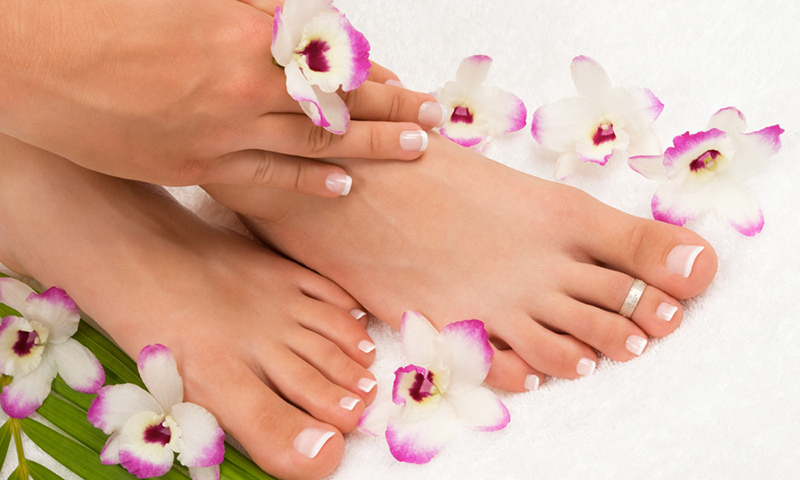
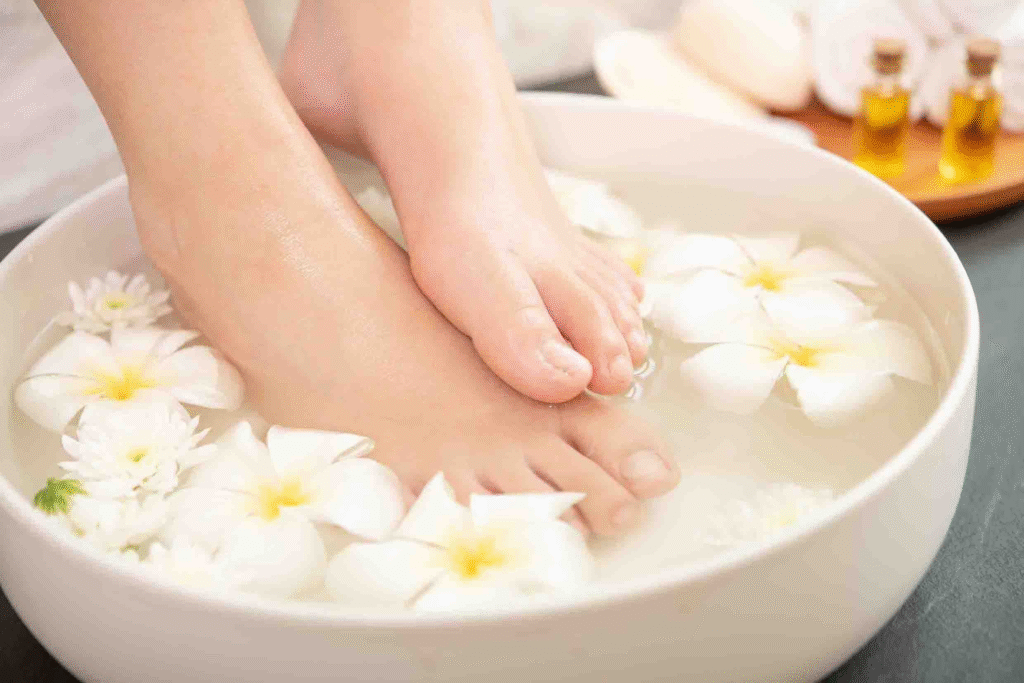
Frequent handwashing combined with cold weather can leave hands dry and cracked. Keeping a small tube of moisturizing hand cream at your desk or sink keeps skin comfortable. For your feet, wash them daily, dry thoroughly between the toes to ward off fungal infections, and wear clean, breathable cotton or wool socks.
Wardrobe Basics
Wear clean, dry clothes that fit comfortably. Change out of damp workout clothes right after exercising to prevent skin breakouts. Washing your clothes and bed sheets regularly removes sweat, skin cells, and dust mites, making your home feel cleaner and more relaxing.
The Internal Pillars of Wellness
Topical serums and soaps only cover half the equation. Real, lasting energy and a clear complexion rely heavily on what you put into your body.
                 INTERNAL WELLNESS PILLARS
┌──────────────────────────────────────────────────────────────┐
│ HYDRATION --> Keep a water bottle nearby; sip continuously   │
├──────────────────────────────────────────────────────────────┤
│ NUTRITION --> Focus on real whole foods, protein, and greens  │
├──────────────────────────────────────────────────────────────┤
│ MOVEMENT  --> Enjoyable daily activity (walking, yoga, swim)  │
├──────────────────────────────────────────────────────────────┤
│ REST      --> 7 to 9 hours of quality, uninterrupted sleep    │
└──────────────────────────────────────────────────────────────┘
- Stay Hydrated: Sip water steadily throughout the day. Staying hydrated keeps your energy up, aids digestion, and keeps your skin looking healthy.
- Nourish with Real Food: Prioritize nutrient-dense whole foods—fresh fruits, vegetables, whole grains, healthy fats, and quality proteins—to give your body the building blocks it needs.
- Prioritize Restful Sleep: Quality sleep is non-negotiable. Aim for 7 to 9 hours every night. Keep your bedroom cool, dark, and quiet, and turn off screens an hour before bed.
- Move Your Body Daily: Find physical movement you look forward to—walking the dog, swimming laps, doing a quick yoga session, or weightlifting. Daily movement boosts circulation, relieves stress, and improves sleep quality.
Nurture Mental and Emotional Well-Being
Taking care of yourself physical is incomplete if you’re constantly running on emotional empty. High stress manifests physically—causing tension headaches, skin breakouts, poor digestion, and restless sleep.
Make a point to weave small moments of mental rest into your day:
- Take micro-pauses: Spend five minutes breathing deeply, stepping outside for fresh air, or journaling without distractions.
- Protect your hobbies: Spend time on activities simply because they bring you joy—no pressure to turn them into side hustles or post them online.
- Stay connected: Make time for family, friends, or community groups who leave you feeling recharged.
- Ask for help when needed: If anxiety, low mood, or burnout feel overwhelming, reaching out to a licensed therapist or counselor is a practical, healthy choice.
At a Glance: Practical Self-Care Checklist
| Area | Simple Daily Habit | Main Health Benefit |
| Hygiene | Wash hands with soap for 20 seconds | Cuts down exposure to common daily germs |
| Skincare | Apply daily sunscreen (SPF 30+) | Shields skin from sun damage and premature aging |
| Oral Care | Brush for 2 minutes twice daily; floss once | Keeps gums healthy and prevents cavities |
| Hydration | Keep a refillable water bottle nearby | Supports cognitive focus, digestion, and energy |
| Sleep | Keep a steady wake/sleep time (7–9 hrs) | Enables physical recovery and mental clarity |
| Mental Rest | Unplug from screens 30 minutes before bed | Calms your nervous system and improves sleep |
How to Build Habits That Actually Stick

The most common reason people abandon self-care routines is that they make them way too complicated. When a routine takes 45 minutes and involves dozens of steps, it becomes the first thing dropped when life gets hectic.
                THE SUSTAINABILITY FRAMEWORK
┌──────────────────────────────────────────────────────────────┐
│ 1. START SMALL   --> Focus on 1–2 habits until they're automatic│
├──────────────────────────────────────────────────────────────┤
│ 2. BE CONSISTENT --> Daily repetition beats periodic intensity│
├──────────────────────────────────────────────────────────────┤
│ 3. KEEP IT SIMPLE--> Skip social media trends; stick to basics│
└──────────────────────────────────────────────────────────────┘
- Pick one or two targets: Start by mastering small, high-impact habits—like applying sunscreen daily or flossing every evening—before adding anything else.
- Choose consistency over perfection: Missing a day occasionally is completely normal. Just pick up where you left off without beating yourself up.
- Tune out the noise: Ignore online trends pressuring you to buy pricey products you don’t need. Focus on what fits your budget, time, and personal goals.
- Listen to your body: Pay attention to how your skin, hair, and energy levels react to different choices. Adjust your habits based on real-world results.
FAQ’s
1. What is personal care?
Personal care includes daily habits such as hygiene, skincare, oral care, grooming, hair care, and self-care.
2. Why is personal hygiene important?
Good hygiene helps maintain cleanliness, comfort, and overall well-being while reducing the spread of germs.
3. What are basic skincare essentials?
A simple routine can include gentle cleansing, moisturizing, and sun protection based on your skin’s needs.
4. How can I improve my personal care routine?
Start with simple, consistent habits and choose products that suit your individual needs and lifestyle.
5. Does personal care include mental wellness?
Yes. Rest, relaxation, stress management, hobbies, and healthy social connections are important parts of overall self-care.