
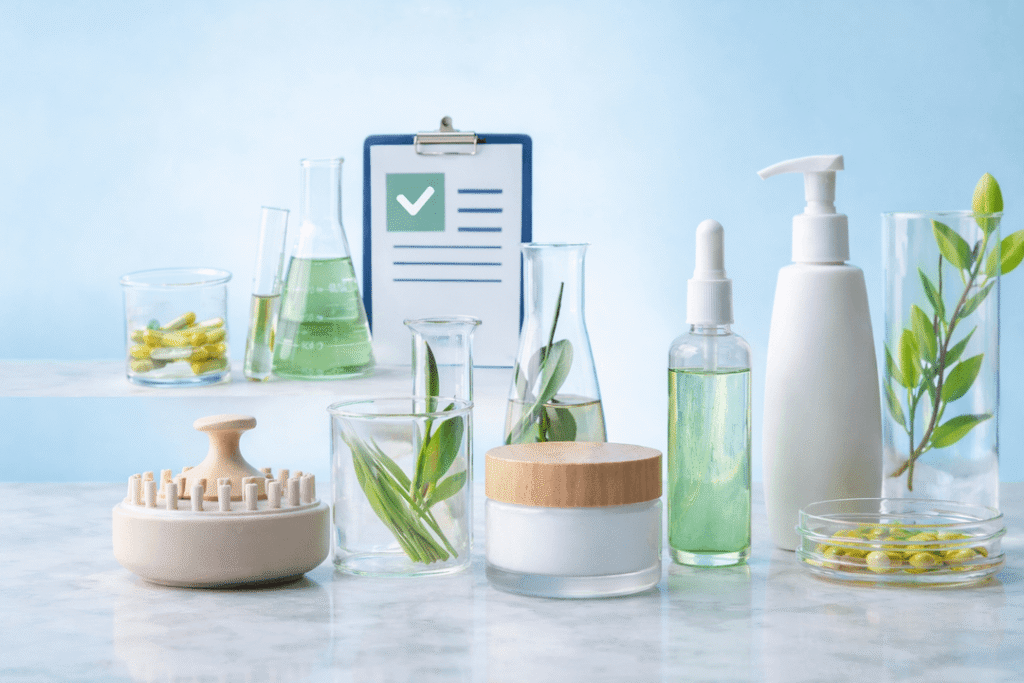
Personal care is a foundational part of daily life that directly influences your physical comfort, health, and personal confidence. It encompasses the daily habits, hygiene practices, and grooming routines that keep your body clean, comfortable, and well-maintained.
Rather than chasing viral multi-step routines or stockpiling hundreds of specialized items, the most effective approach to personal care centers on consistency, simplicity, and finding products that suit your specific needs.
Core Pillars of a Balanced Personal Care Routine
An effective personal care strategy focuses on several core areas that work together to maintain everyday health and hygiene.
                  ┌─────────────────────────────────┐
                  │    Foundations of Self-Care     │
                  └────────────────┬────────────────┘
                                   │
      ┌───────────────┬────────────┴───┬───────────────┐
      │               │                │               │
┌─────▼──────┐ ┌──────▼──────┐  ┌──────▼──────┐ ┌──────▼──────┐
│  Skincare  │ │  Oral Care  │  │ Hair & Scalp│ │ Body Hygiene│
└────────────┘ └─────────────┘  └─────────────┘ └─────────────┘
1. Daily Skincare Basics
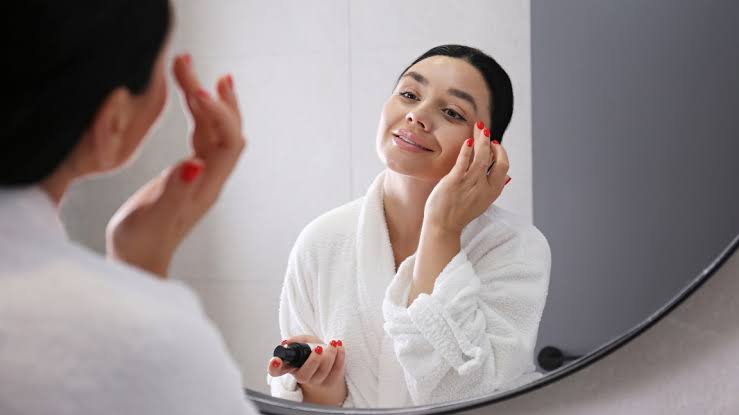
Skincare does not need to be complicated to deliver noticeable results. A minimalist daily approach relies on three fundamental steps:
- Cleansing: Removes dirt, excess oil, environmental pollutants, and dead skin cells accumulated throughout the day.
- Moisturizing: Supports the skin’s moisture barrier, preventing dryness, irritation, and environmental damage.
- Sun Protection: Shielding exposed skin from daily ultraviolet radiation is one of the most effective long-term investments for skin health.
Understanding your skin type (dry, oily, combination, or sensitive) helps eliminate guesswork when choosing formulas. When introducing a new product, add it individually to monitor how your skin responds over several days.
2. Oral Hygiene
Oral health is a vital component of overall physical well-being. A thorough routine consists of:
- Brushing teeth twice daily using a suitable fluoride or protective toothpaste.
- Cleaning between teeth daily using dental floss, interdental brushes, or a water flosser.
- Scheduling regular professional dental checkups and cleanings.
Ignoring oral health can lead to plaque buildup, gum inflammation, and enamel wear that daily brushing alone cannot reverse.
3. Hair and Scalp Care
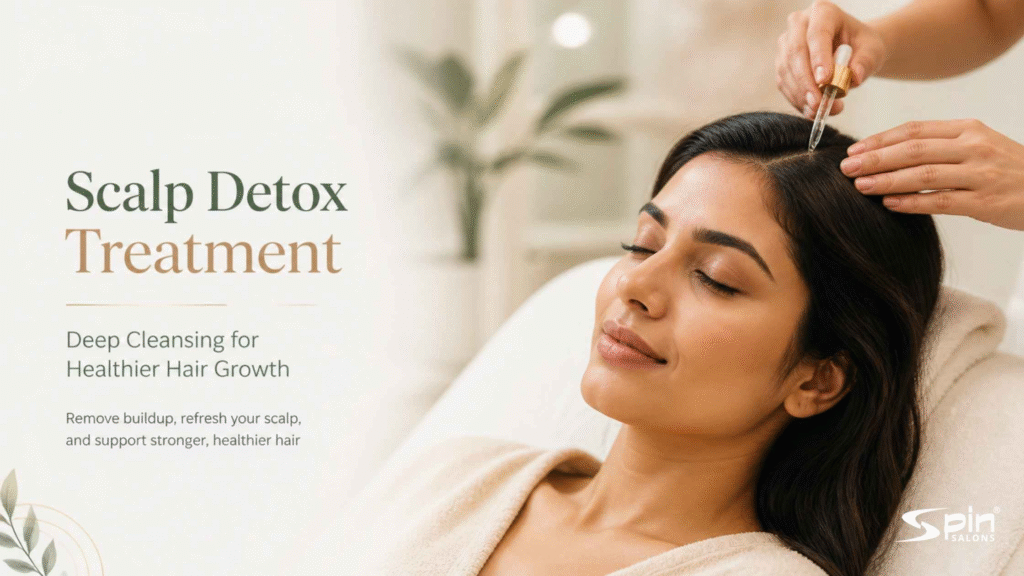
A good hair care routine begins with scalp health. Cleansing frequency depends on your hair texture, activity levels, and oil production:
- Fine or Oily Hair: May benefit from more frequent washing using lightweight, gentle cleansers.
- Coarse, Curly, or Dry Hair: Often requires less frequent washing paired with richer, hydrating conditioners.
- Heat Styling: If using blow dryers, straighteners, or curling irons regularly, applying a heat protectant spray minimizes structural hair damage.
4. Body Hygiene and Hand Care
Basic body care maintains everyday cleanliness and prevents skin chafing or irritation:
- Regular showering, especially after physical activity or heavy sweating.
- Washing hands thoroughly with soap and water before meals, after using the restroom, and after coming into contact with high-touch public surfaces.
- Applying hand cream during colder months or after frequent handwashing to prevent cracked skin.
Key Comparisons for Everyday Essentials
Evaluating products based on function rather than brand marketing helps prevent unnecessary spending.
| Area | Basic Essential | Purpose | Key Selection Factor |
|---|---|---|---|
| Face | Gentle Cleanser | Cleanses skin without stripping natural moisture | Match to skin type (foam for oily, cream for dry) |
| Face/Body | Broad-Spectrum SPF | Protects skin from daily UV exposure | Choose SPF 30+ suitable for daily wear |
| Mouth | Soft-Bristled Brush | Removes plaque without damaging gums | Ergonomic handle and comfortable head size |
| Hair | Scalp-Specific Shampoo | Cleanses hair follicles and removes buildup | Formulated for your specific scalp condition |
| Body | Hydrating Body Wash | Maintains skin cleanliness and moisture | Mild, sulfate-free options for sensitive skin |
Smart Shopping and Sustainable Habits

Building a personal care collection should be practical and financially sustainable:
- Focus on Essentials First: Establish a core set of products (cleanser, moisturizer, SPF, toothpaste, body wash, shampoo) before trying specialized treatments or serums.
- Read Label Ingredients: Focus on functional ingredients rather than marketing claims. Avoid known irritants if you have sensitive skin.
- Avoid Unnecessary Trends: Viral beauty trends change rapidly. Stick to products that deliver consistent results for your specific skin and hair profile.
- Practice Sustainable Consumption: Use products completely before purchasing replacements to reduce plastic waste and avoid expired, unused items.
When to Seek Professional Guidance
Cosmetic and personal care products support daily maintenance, but they are not substitutes for medical treatment. You should consult a doctor, dermatologist, or dentist if you experience:
- Persistent or severe acne, sudden skin rashes, or unusual changes in moles.
- Ongoing scalp irritation, sudden hair shedding, or painful skin conditions.
- Chronic tooth sensitivity, bleeding gums, or persistent mouth pain.
Developing a personalized routine focused on simple, reliable habits ensures that taking care of yourself remains a manageable and rewarding part of every day.
FAQ’s
1. What is personal care?
Personal care includes daily habits related to hygiene, skincare, haircare, oral care, grooming, and general cleanliness.
2. How can I build a simple personal care routine?
Start with basic hygiene, oral care, skincare, haircare, and grooming habits that fit your daily schedule.
3. How do I choose personal care products?
Choose products based on your individual needs, skin or hair type, lifestyle, ingredients, and product instructions.
4. Do I need many personal care products?
No. A simple routine with a few suitable products can be more practical than using too many products.
5. Can personal care improve confidence?
Yes. Feeling clean, comfortable, and well-groomed can support everyday confidence and personal comfort.

