

Taking care of your health is not only about making major lifestyle changes. Small, consistent choices can make everyday life more comfortable, active, and balanced. The right health and wellness products can support routines such as personal care, exercise, relaxation, sleep, and healthy daily habits.
With so many products available today, choosing what you actually need can sometimes feel confusing. From fitness accessories and personal care items to sleep products and everyday wellness essentials, there are plenty of options to consider.
This guide explores common health and wellness product categories and explains what to look for when choosing products that fit your lifestyle.
Understanding Health & Wellness Products

Health and wellness products cover a wide range of everyday items designed to support personal care and healthy routines. They can include fitness equipment, grooming products, sleep accessories, relaxation tools, hygiene essentials, and products that make daily activities easier.
Not every product is necessary for everyone. Your needs depend on your lifestyle, age, activities, preferences, and personal goals. Instead of buying everything that is advertised as a wellness essential, it is usually more useful to identify the areas of your routine that could benefit from practical improvements.
Personal Care Essentials
Personal care is an important part of everyday wellness. Products such as skincare items, hair-care products, oral-care essentials, and hygiene products can help support regular self-care routines.
When choosing personal care products, pay attention to ingredients, product instructions, suitability for your needs, and how frequently you plan to use them. A simple routine with products that work well for you can be more practical than having a large collection of items.
Keeping personal care products organized can also make daily routines easier. Store frequently used items where they are convenient to access and check product labels regularly.
Fitness and Exercise Products
Regular physical activity is an important part of an active lifestyle. Fitness products can make exercise more convenient, whether you prefer working out at home, visiting a gym, walking outdoors, or participating in a particular sport.
Common fitness essentials include exercise mats, resistance bands, water bottles, workout clothing, supportive footwear, and basic training accessories.
You do not necessarily need expensive equipment to stay active. A few practical items that match your exercise routine can be enough to make workouts more comfortable and consistent.
When purchasing fitness products, consider durability, comfort, size, storage requirements, and how often you expect to use them.
Sleep and Relaxation Products
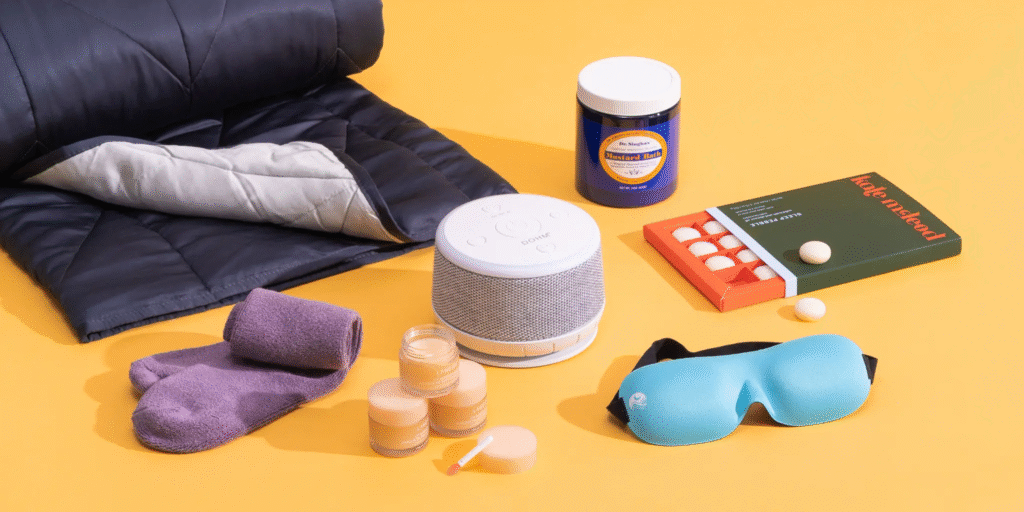
Good rest is an important part of overall wellness. Products designed for comfort and relaxation can help create a more suitable environment for winding down at the end of the day.
Sleep-related products may include comfortable bedding, eye masks, pillows, blankets, or other accessories that support a relaxing bedtime routine.
However, products are only one part of healthy sleep habits. A consistent bedtime, a comfortable sleeping environment, and reducing unnecessary distractions before bed can also be useful.
Choose sleep products based on comfort and personal preference rather than simply following trends.
Wellness Products for Everyday Comfort
Some wellness products are designed to make ordinary routines more comfortable. These can include reusable water bottles, posture-friendly accessories, organizers, relaxation items, and simple tools for maintaining daily routines.
The best products are often the ones that solve a specific problem. Before purchasing something, consider whether it will genuinely make your routine easier or whether it is simply an item that looks appealing online.
Practicality, durability, ease of cleaning, and storage should all be considered when comparing everyday wellness products.
Choosing Products for Your Lifestyle
There is no single list of wellness products that works for everyone. Your choices should reflect your actual routine.
For example, someone who exercises regularly may prioritize fitness accessories and sports gear, while someone focused on relaxation may be more interested in sleep and comfort products.
Before buying, ask yourself a few simple questions:
- What problem does this product solve?
- How often will I use it?
- Is it comfortable and practical?
- Does it fit my budget?
- Is it easy to maintain?
- Do I already own something that serves the same purpose?
These questions can help prevent unnecessary purchases and keep your wellness routine focused.
Quality Matters
A lower price does not always mean better value, and a higher price does not automatically mean better quality. Look beyond the price tag and consider the product’s materials, construction, usability, warranty information where applicable, and expected lifespan.
Customer reviews can also provide useful information about real-world experiences. Look for reviews that discuss durability, comfort, sizing, performance, and long-term use rather than relying only on star ratings.
Checking product descriptions carefully can also help you understand what you are actually purchasing.
Be Careful With Wellness Claims

The wellness market includes products that may make broad claims about health benefits. It is important to approach these claims carefully.
Look for clear product information and avoid assuming that a product can diagnose, prevent, or treat a health condition simply because an advertisement suggests it can.
For products that relate directly to a medical condition, medication, or specific health concern, professional advice can be more appropriate than relying on product marketing.
Wellness should support healthy habits rather than replace appropriate medical care.
Building a Simple Wellness Routine
You do not need dozens of products to create a useful wellness routine. Start with the basics that support your everyday needs.
A simple routine might include regular physical activity, personal hygiene, adequate rest, balanced meals, hydration, relaxation, and time away from unnecessary digital distractions.
Products can complement these habits by making them easier or more comfortable. For example, a good water bottle can make hydration more convenient, while comfortable exercise clothing can make regular workouts easier to maintain.
The goal is to build routines that are realistic enough to continue over time.
Sustainable Wellness Choices
Wellness and sustainability can also work together. Reusable products, durable materials, refillable options, and items designed for long-term use can help reduce unnecessary waste.
Before buying a new product, consider whether you can repair, reuse, or replace part of something you already own.
Choosing durable products may also provide better long-term value because you may not need to replace them as frequently.
Smart Shopping Tips
Shopping for health and wellness products becomes easier when you have a clear purpose. Start by identifying what you need and set a realistic budget.
Compare several options before making a purchase. Check product specifications, materials, sizes, instructions, return policies, and customer feedback.
Avoid buying solely because a product is trending. A popular product may not be suitable for your routine, while a simple and less expensive item may be more useful.
It can also help to prioritize products that you expect to use regularly. An item that becomes part of your everyday routine may offer more practical value than something purchased without a clear purpose.
FAQs
1. What are health and wellness products?
They are everyday products that support areas such as personal care, fitness, hygiene, sleep, relaxation, and general wellness routines.
2. How do I choose the right wellness products?
Consider your needs, lifestyle, budget, product quality, comfort, durability, and how often you expect to use the product.
3. Are expensive wellness products better?
Not necessarily. Quality, usefulness, durability, and suitability for your needs are often more important than price alone.
4. Do wellness products replace healthy habits?
No. Products can support healthy routines but should not be considered a replacement for balanced habits or appropriate professional healthcare.
5. What should I check before buying a wellness product?
Check the product description, materials, instructions, size, reviews, return policy, and any health-related claims before purchasing.

