

Making meaningful health changes rarely requires a complete lifestyle overhaul or a maxed-out credit card. Real progress usually comes down to small, realistic habits you can actually stick with—and the right wellness tools simply make those habits easier to maintain.
With countless products cluttering store shelves and social media feeds, deciding what is worth your money gets exhausting. It is all too easy to buy an overhyped gadget that looks revolutionary online, only to have it end up tucked away in a closet a week later.
The secret is ignoring the marketing noise and focusing strictly on practical items that solve a specific problem, fit your space, and effortlessly match your routine.
What Are Health & Wellness Products?
“Wellness” is a broad umbrella, but at its core, it includes everyday items that support physical comfort, exercise, restful sleep, hygiene, and stress relief.
This usually breaks down into a few core areas:
- Movement: Basic workout tools, resistance bands, and recovery gear
- Rest: Ergonomic pillows, blackout shades, and sleep aids
- Personal Care: Daily skincare, body washes, and grooming tools
- Hydration & Nutrition: Insulated water bottles and glass meal-prep containers
- Ergonomics: Lumbar supports, desk cushions, and posture aids
- Home Comfort: Air purifiers, essential oil diffusers, and warm lighting
No one needs everything on this list. What works for you comes down to your personal habits, available space, and budget.
Choose Products That Solve a Real Need
Before adding anything to your cart, pinpoint the exact issue you want to fix.
If you constantly forget to drink water at your desk, a durable half-gallon bottle is a smart, direct fix. If you want to start exercising without paying for a gym membership, a simple yoga mat and set of bands give you everything you need to begin.
Run every potential purchase through three quick questions:
- What specific daily problem does this solve?
- Will I realistically use this multiple times a week?
- Do I have the room and budget for it right now?
If you can’t answer all three with a clear “yes,” skip it.
Fitness Products for Everyday Activity
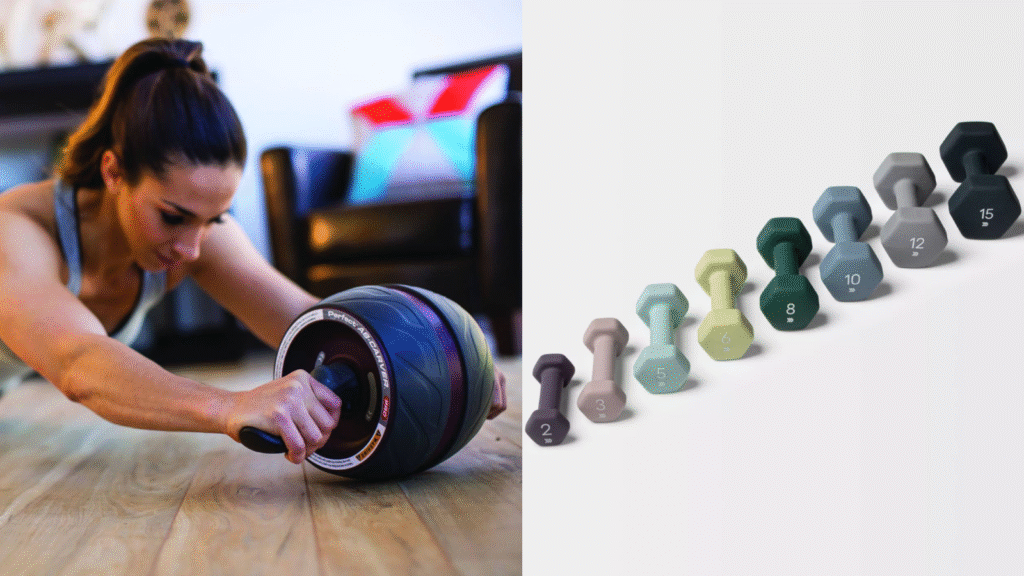
Getting active doesn’t require living in the gym. Many people get great results with short home workouts, daily walks, or quick movement breaks between meetings.
Low-profile gear keeps home exercise straightforward. Jump ropes, light dumbbells, foam mats, and resistance bands give you a full-body workout without taking over your living room. Be realistic about your space—buying a massive treadmill that turns into a clothes rack won’t help you reach your goals.
Don’t overlook basic comfort, either. Breathable workout clothes, proper athletic shoes, and sweat-wicking socks make moving around much more pleasant, helping you stay consistent over time.
Sleep and Relaxation Essentials
Quality sleep impacts every single part of your day. While tech gadgets can’t fix a chaotic night routine, optimizing your bedroom makes winding down much simpler.
A few thoughtful upgrades can transform your sleeping environment:
- Pillows designed for your specific sleep style (side, back, or stomach)
- Breathable, temperature-regulating sheets
- Light-blocking curtains or a contoured eye mask
- Warm, dimmable lamps to signal to your brain that it’s time to sleep
Focus on tangible comfort over fancy tech. A dark, cool, and quiet room will do far more for your energy levels than an expensive sleep-tracking device.
Personal Care and Skincare
A solid personal care routine should leave you feeling refreshed without taking up hours of your time. Gentle skin cleansers, dependable moisturizers, and basic grooming supplies form the foundation of good daily self-care.
When shopping for skincare, look closely at ingredients rather than stylish packaging or brand names. A high price tag doesn’t guarantee better results. A simple, affordable three-step routine you follow every night will always beat a complicated ten-step routine you abandon after a week.
Hydration and Healthy Habits

Staying hydrated plays a massive role in your focus and physical energy. Keeping a sturdy, reusable water bottle right at your workspace, in your bag, or in your car removes the friction of having to constantly hunt down a drink.
Smart storage tools help build better eating habits, too. Leak-proof glass containers and simple meal-prep organizers make it easy to bring healthy lunches to work, saving you money on last-minute takeout.
Wellness Products for the Home
Your living environment directly impacts your stress levels, particularly if you work or study from home for long hours.
Take a look at where physical discomfort pops up during your workday. Small adjustments—like an adjustable laptop stand, an ergonomic seat cushion, better lighting, or an air purifier—can drastically improve how your body feels by 5 PM.
Instead of trying to redesign your entire home office at once, fix one uncomfortable spot at a time.
How to Shop for Wellness Products
To avoid impulse buys and marketing traps, keep these practical shopping principles in mind:
- Establish a hard budget: Set a clear spending cap before you start browsing online.
- Prioritize materials over aesthetics: Check physical dimensions, durability, and cleaning requirements rather than just looking at photos.
- Scan mid-tier reviews: 3-star and 4-star reviews usually offer the most balanced feedback on how a product holds up over time.
- Verify return policies: Check the warranty terms and return windows, especially for hygiene products, pillows, or electronics.
- Consider long-term value: A well-made item you use daily for years is far cheaper in the long run than a flimsy alternative you replace every few months.
Avoid Buying Based Only on Trends
Social media is designed to make niche products feel like immediate necessities. But a viral video doesn’t mean a product actually belongs in your home.
If an item catches your eye online, wait a few days before buying it. Ask yourself: Would I still want this if I hadn’t seen it in my feed? Giving yourself a cooling-off period instantly filters out short-lived hype.
Pay Attention to Product Claims
Be cautious with any product promising dramatic health claims, overnight transformations, or instant cures.
No wellness gadget, supplement, or tool can replace proper medical advice, treatments, or guidance from a qualified doctor. Look for verifiable facts, independent testing, and clear specifications rather than vague promises.
Build a Simple Wellness Routine

You don’t need a house packed with specialized equipment to live well. The fundamentals stay the same:
- Keep your body moving
- Drink water consistently
- Eat nourishing, balanced meals
- Prioritize uninterrupted sleep
- Take regular breaks from sitting
- Keep your space clean and comfortable
- Dedicate time to relax
Products are merely tools to support these core habits. A fitness tracker logs your daily steps, but you still have to go for the walk. A comfortable pillow supports your neck, but turning off screens at a reasonable hour is what actually lets you rest.
Quality Over Quantity
A common mistake is buying multiple cheap variations of the same product. You end up with cluttered drawers, wasted space, and less money in your account.
Invest in one or two durable, well-reviewed items that solve a genuine frustration. Keeping your collection minimal keeps your space organized and your routine easy to manage.
Think About Sustainability
Mindful wellness includes making choices that reduce unnecessary waste.
Opting for reusable water bottles, washable cleaning pads, long-lasting containers, and well-made equipment keeps disposable plastics out of landfills. Before tossing an old item, see if it can be repaired, deep-cleaned, or repurposed. Buying fewer, higher-quality items is better for both your wallet and the environment.

Living healthily doesn’t have to strain your finances. Multi-purpose tools—like a basic foam roller or simple glass jars for meal prep—give you great versatility without extra costs.
Shop around, wait for seasonal sales, and start with basic options before considering high-end upgrades. Consistency in your daily habits will always matter vastly more than the price tag of your equipment.
FAQ’s
1. What are health and wellness products?
They are everyday products designed to support fitness, comfort, personal care, relaxation, and healthy routines.
2. How do I choose the right wellness products?
Focus on your needs, product quality, useful features, reviews, and budget.
3. Are expensive wellness products better?
Not necessarily. A simple, reliable product can provide better value than an expensive alternative.
4. Should I follow wellness trends?
Trends can offer ideas, but choose products based on your actual needs rather than popularity.
5. Can wellness products replace healthy habits?
No. Products can support healthy routines, but they cannot replace balanced nutrition, regular activity, good sleep, or professional care when needed.

